Self-Host Docker Mailserver Without Becoming a Spam Relay
A practical Docker Mailserver setup for a personal domain, with DNS records, TLS, backups, and the hard limits of running your own email in 2026.
Read more
99 articles about self-hosting, infrastructure, and taking back control.
A practical Docker Mailserver setup for a personal domain, with DNS records, TLS, backups, and the hard limits of running your own email in 2026.
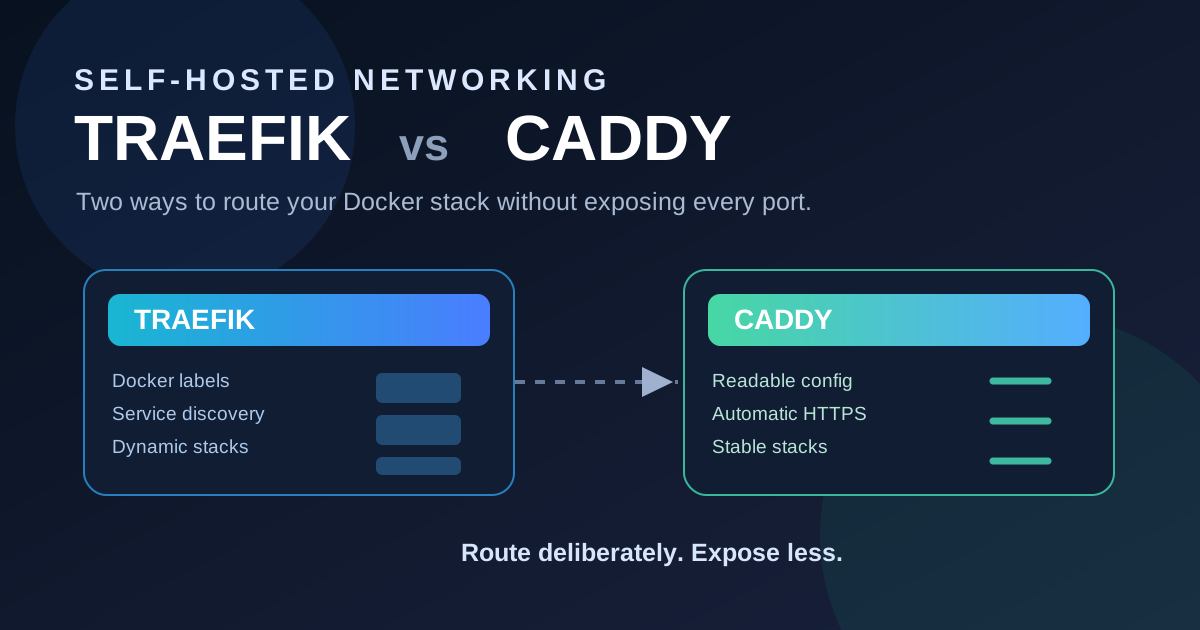
Traefik and Caddy both handle HTTPS well, but their workflows could not be more different. Pick the right reverse proxy for your Docker stack.
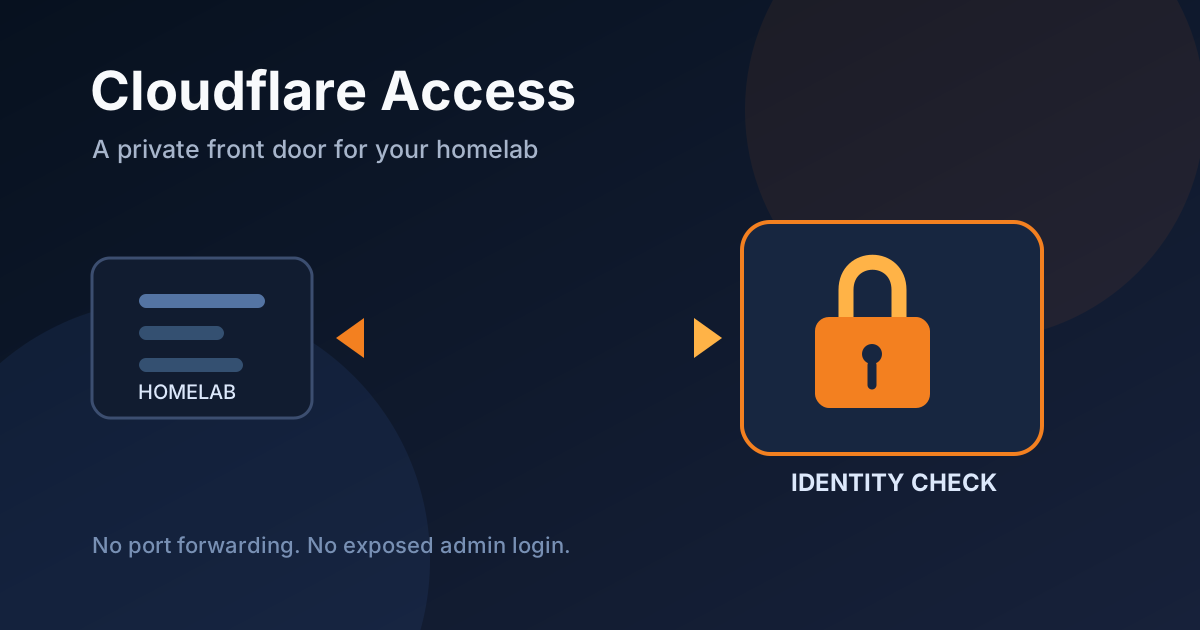
Put Cloudflare Access in front of private self-hosted apps with a tunnel, Docker, and identity-based policies instead of exposed login pages.
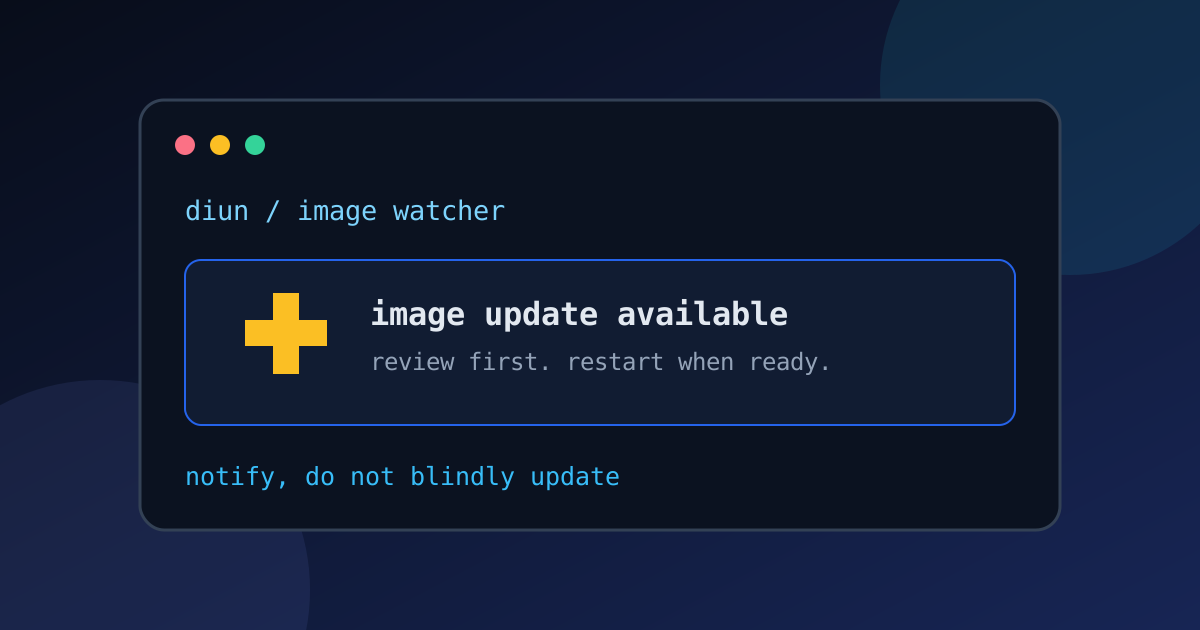
Use Diun to get Docker image update alerts without giving a container permission to restart your self-hosted apps.
Compare a VPS, dedicated server, and homelab for self-hosting. Pick the right place for your apps based on uptime, cost, privacy, and maintenance.
Use Trivy to scan Docker images and Compose stacks before deployment. A practical security workflow for catching known container vulnerabilities.
Add Docker healthchecks to Compose services so a running container is not mistaken for a working self-hosted app.
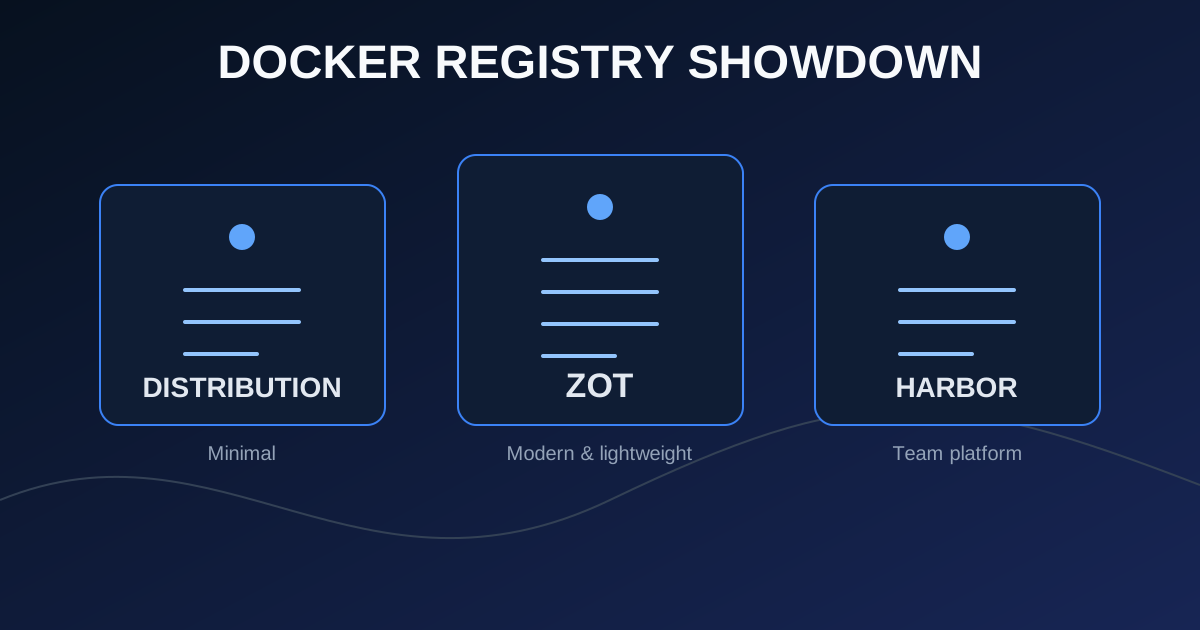
Compare Zot, Harbor, and Docker Distribution for a self-hosted container registry. Pick the right registry for a homelab, team, or CI pipeline.
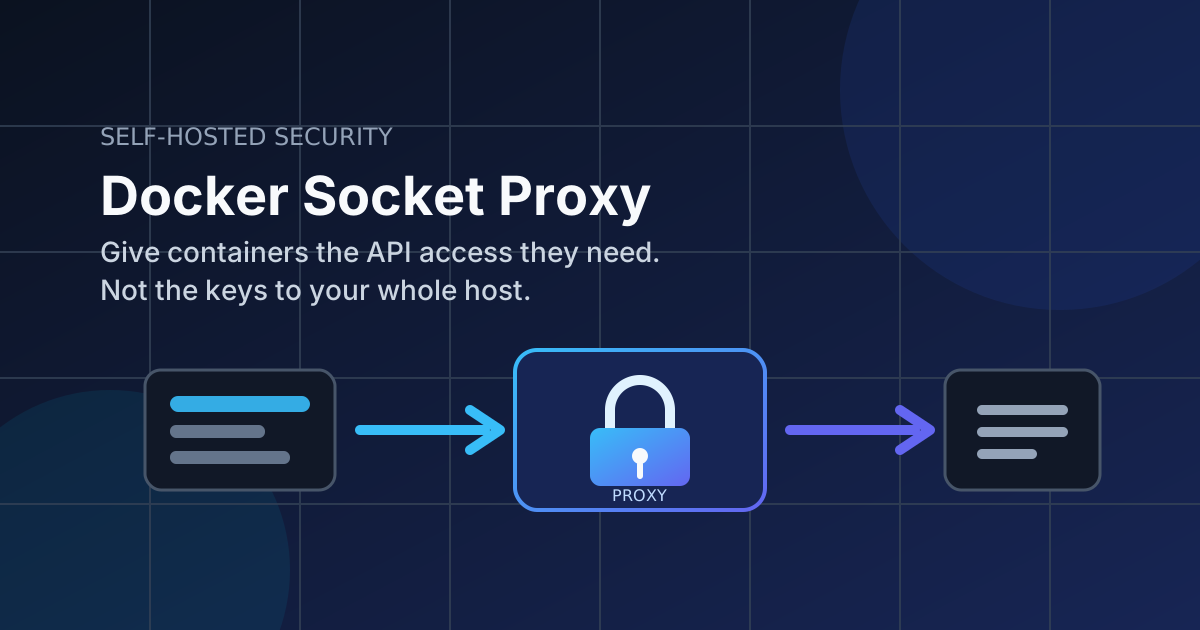
Use a Docker socket proxy to give Traefik and monitoring tools the API access they need without handing every container control of your host.
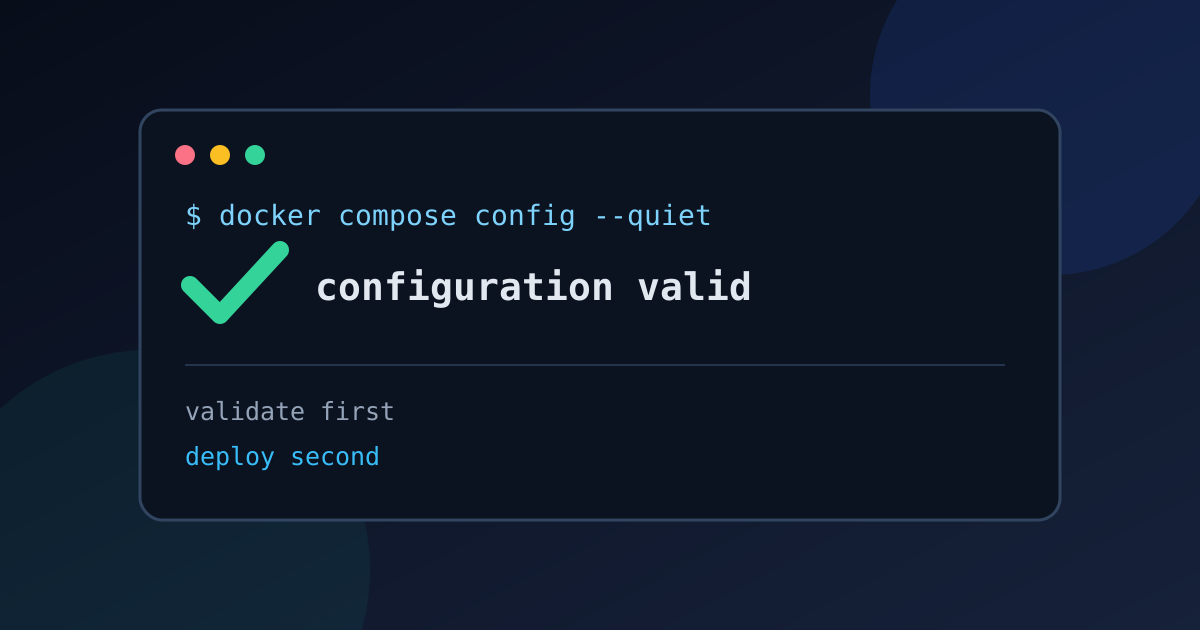
Use docker compose config to catch broken variables, invalid YAML, and unsafe overrides before your self-hosted stack goes down.
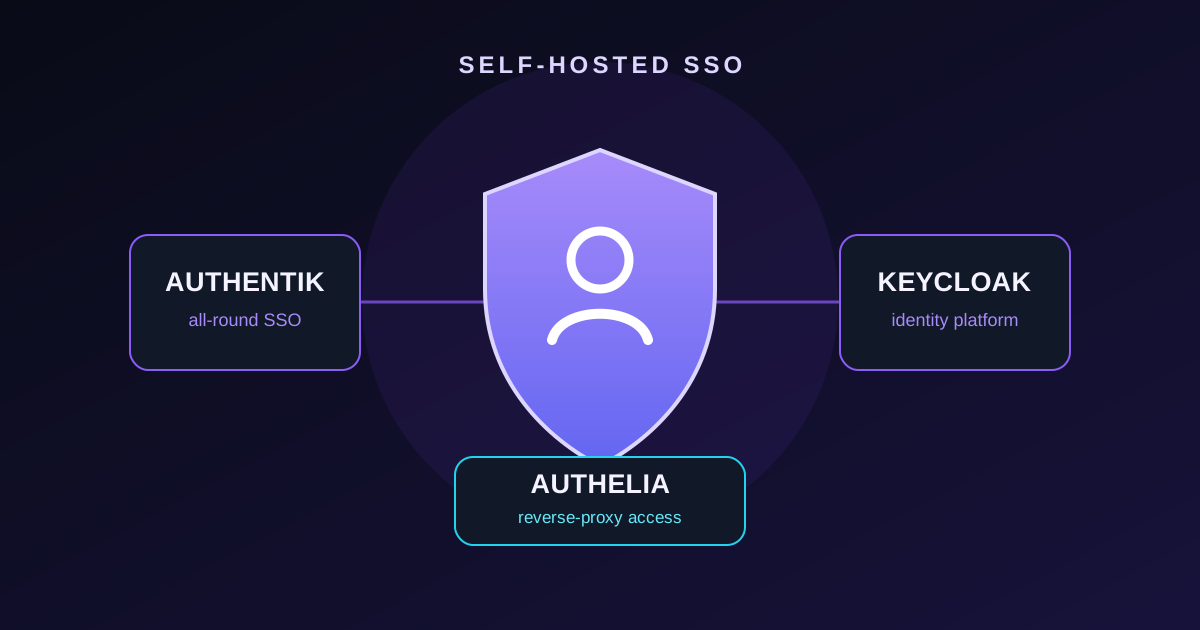
Authentik, Authelia, and Keycloak solve different identity problems. Compare setup, protocols, access control, and pick the right self-hosted SSO.
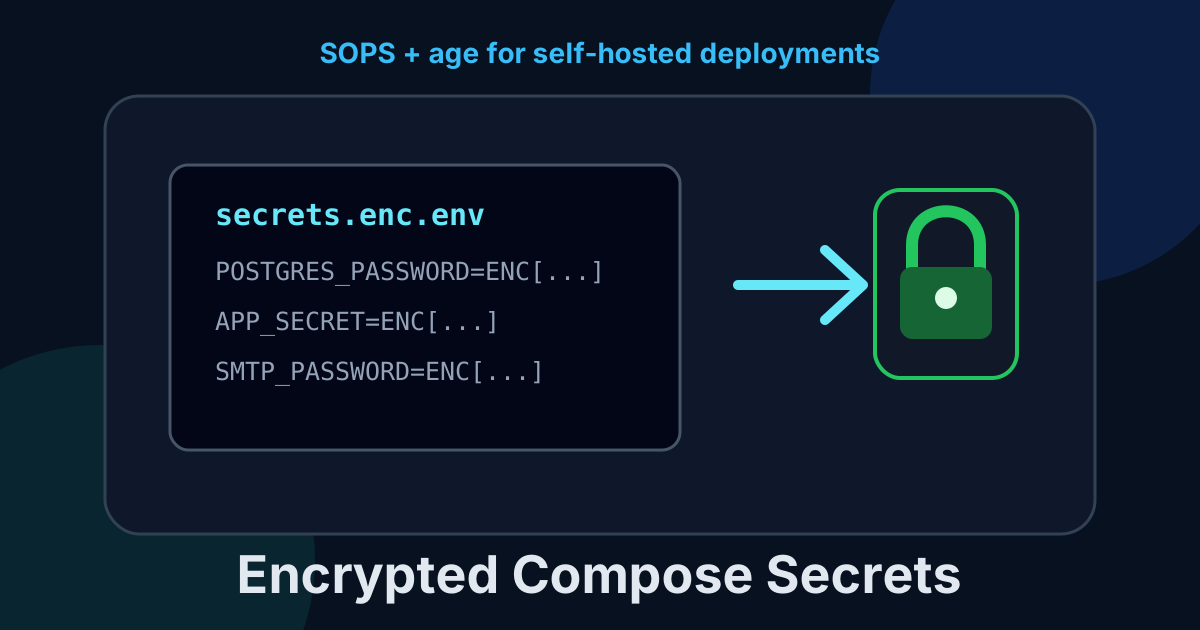
Keep Docker Compose secrets in Git without committing plaintext. Set up SOPS and age for a small, auditable self-hosted deployment workflow.
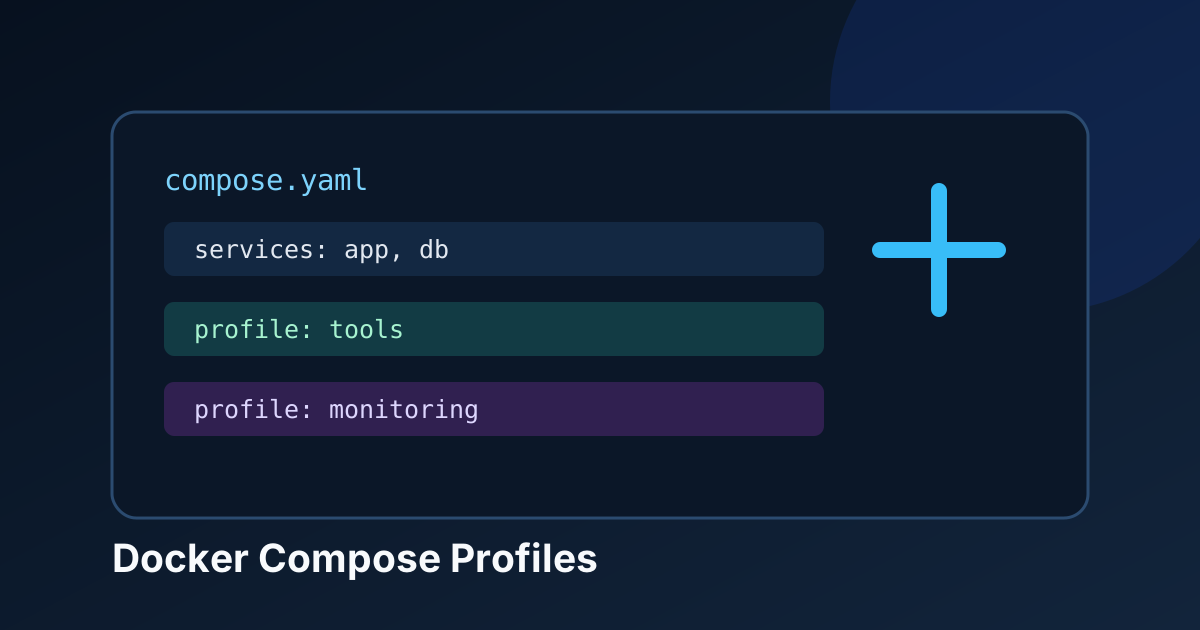
Use Docker Compose profiles to keep optional homelab tools out of your default stack, then start exactly what you need with one command.
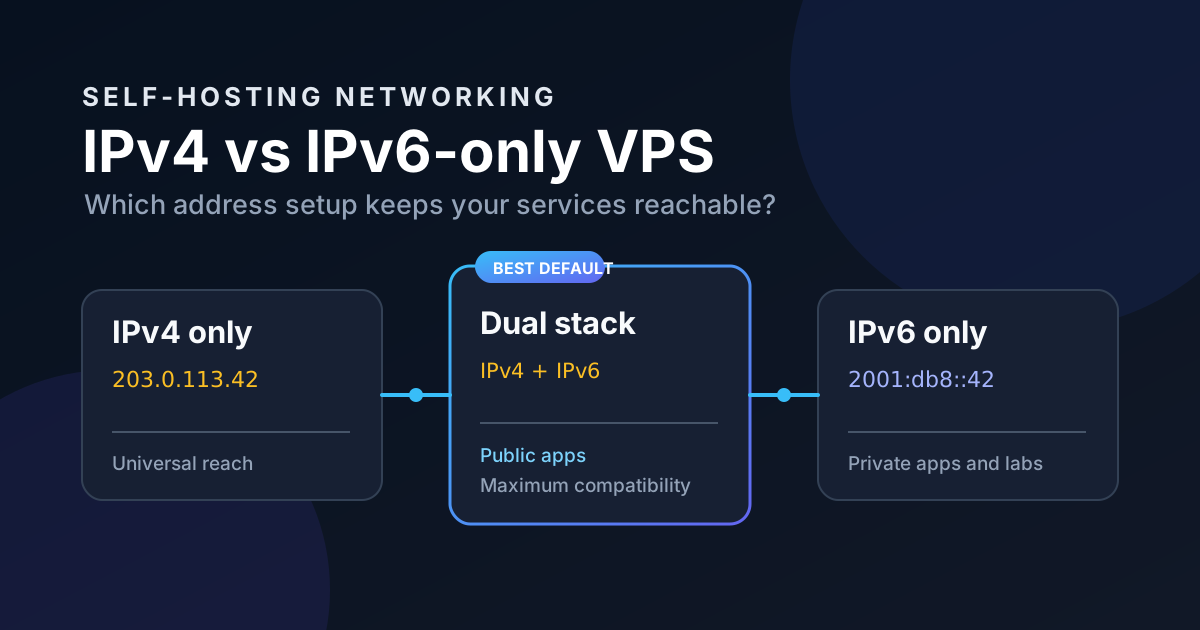
Should you save money with an IPv6-only VPS? Compare IPv4, IPv6-only, and dual-stack hosting before exposing your self-hosted apps.
Stop trusting container tags blindly. Sign and verify Docker images with Cosign so your homelab deploys artifacts you can actually identify.
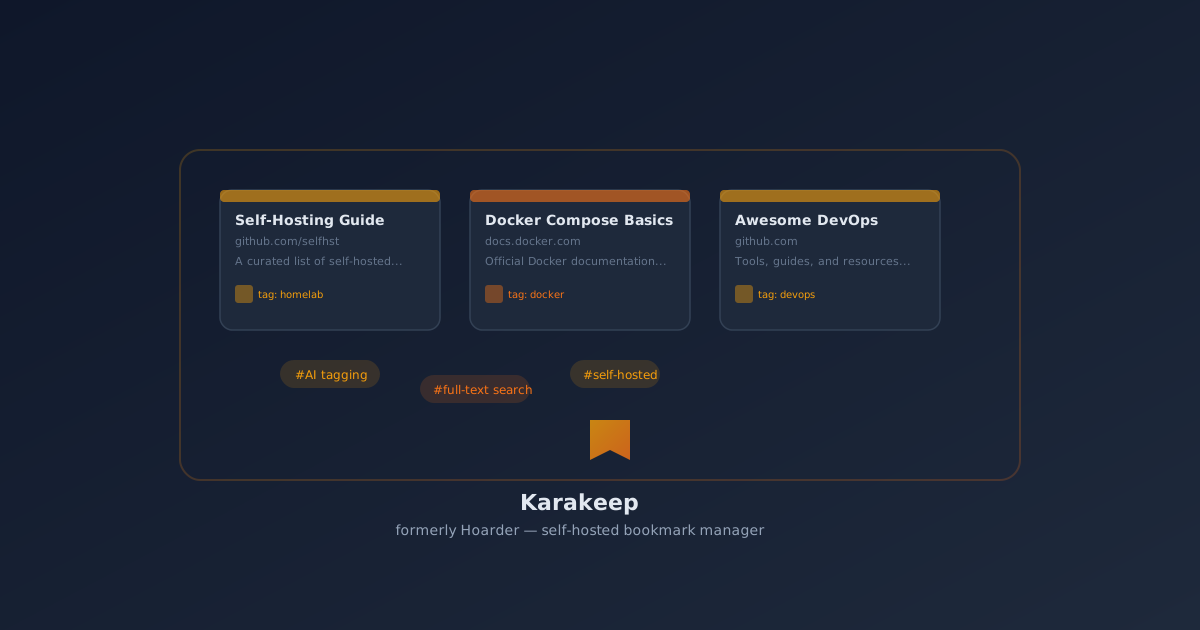
Karakeep (formerly Hoarder) is a self-hosted bookmark manager with automatic AI tagging, full-text search, and browser extensions. Deploy it with Docker in 5 minutes.

I ran all four monitoring tools side by side for two months. Here's which one you should actually self-host — and when you need more than one.
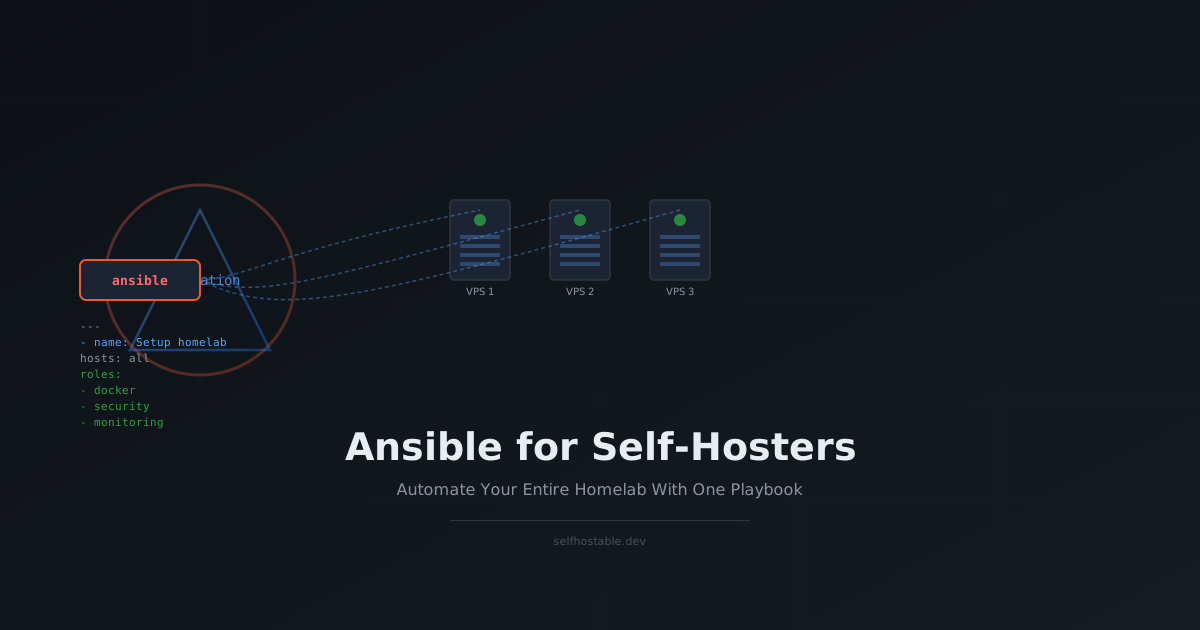
Stop SSH'ing into servers to run the same commands. Learn how to use Ansible to automate server setup, Docker deployments, and security hardening — all from one playbook.
Self-host Audiobookshelf with Docker in 10 minutes. Ditch Audible subscriptions, stream audiobooks and podcasts from your own server. Full 2026 setup guide.
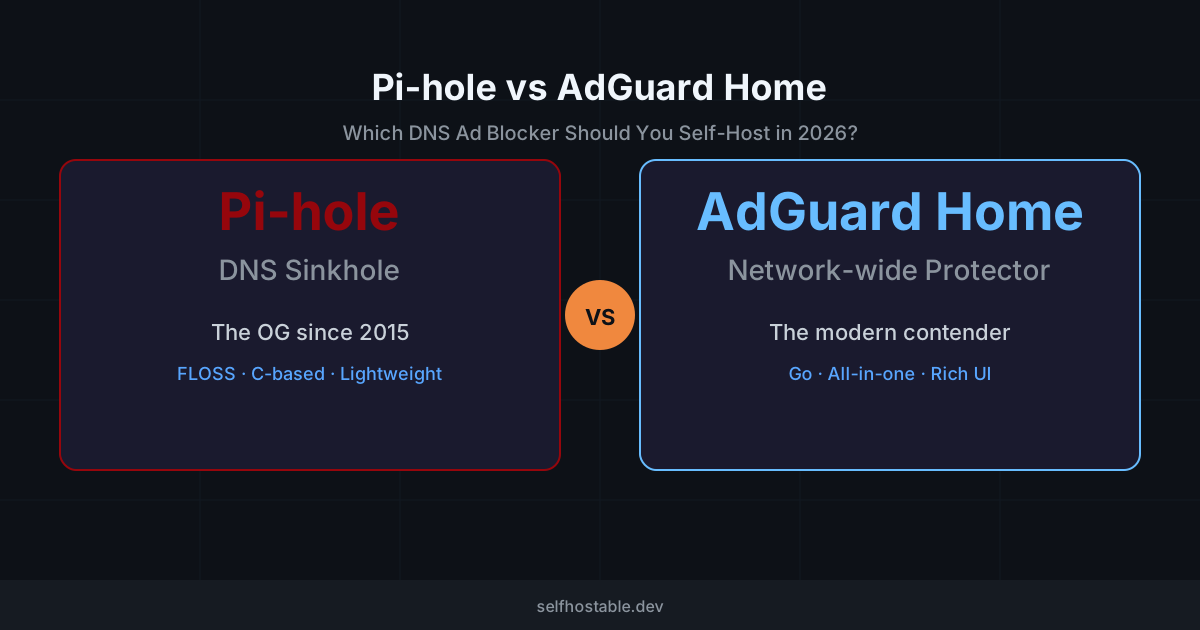
I ran both Pi-hole and AdGuard Home for 6 months on the same network. Here's the honest truth about features, performance, and which one actually blocks more ads.
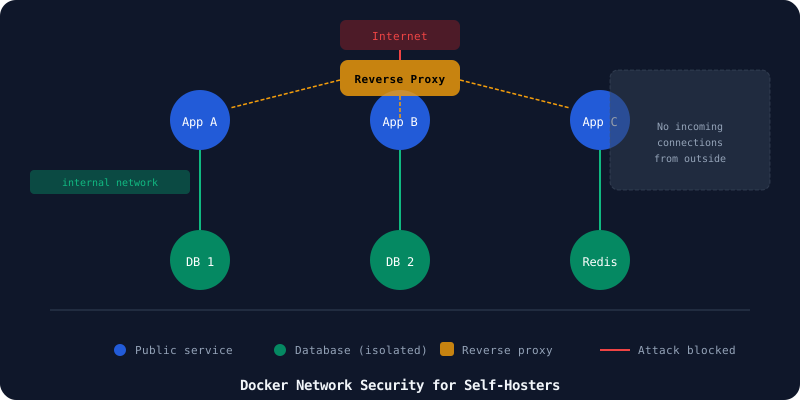
Most self-hosters run every container on the default bridge network. Here's why that's risky — and how to properly isolate your apps with Docker networks, internal zones, and firewall rules.
Stop manually checking for Docker updates. Set up Watchtower to auto-update your containers, with sane exclusions so only safe services update unattended.
I ran my entire homelab on Podman for 6 months after 5 years on Docker. Here's what's better, what's worse, and whether you should care.
Authentik is great, but sometimes you want something lighter. Here's how to set up Authelia with LLDAP as your auth gateway — no bloated dependencies, no headache.
Penpot is the open-source design and prototyping platform that's been quietly replacing Figma for self-hosters. Here's how to deploy it with Docker Compose in under 10 minutes.
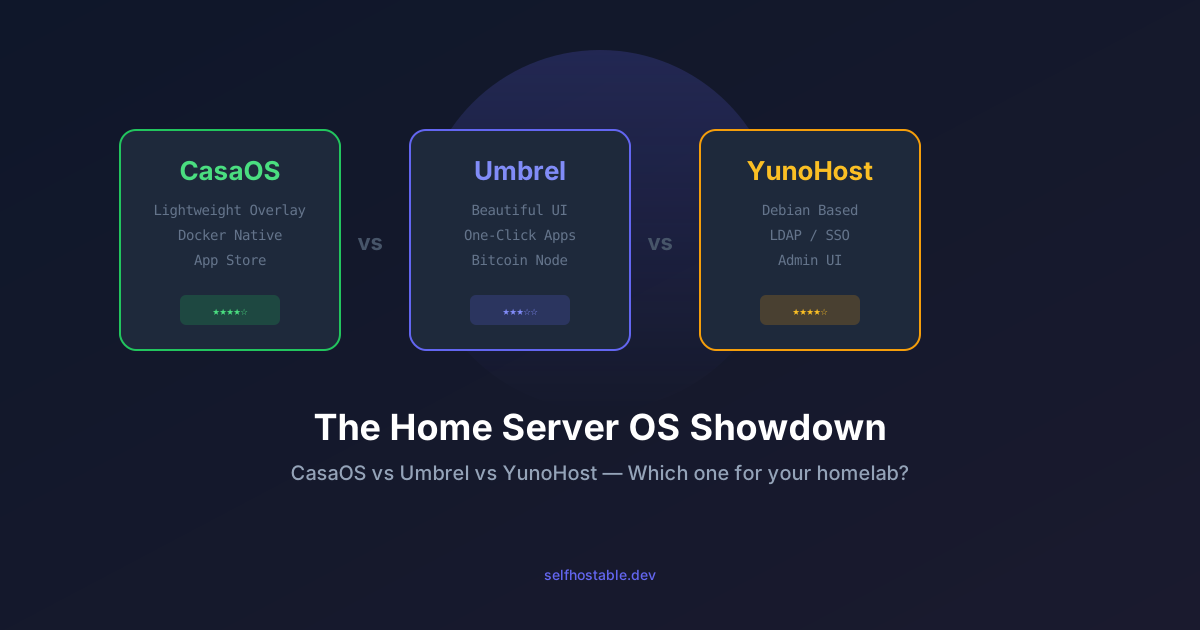
Three ways to turn a dusty machine into a self-hosted powerhouse. I tested CasaOS, Umbrel, and YunoHost for months — here's who wins and why you probably already know which one fits.
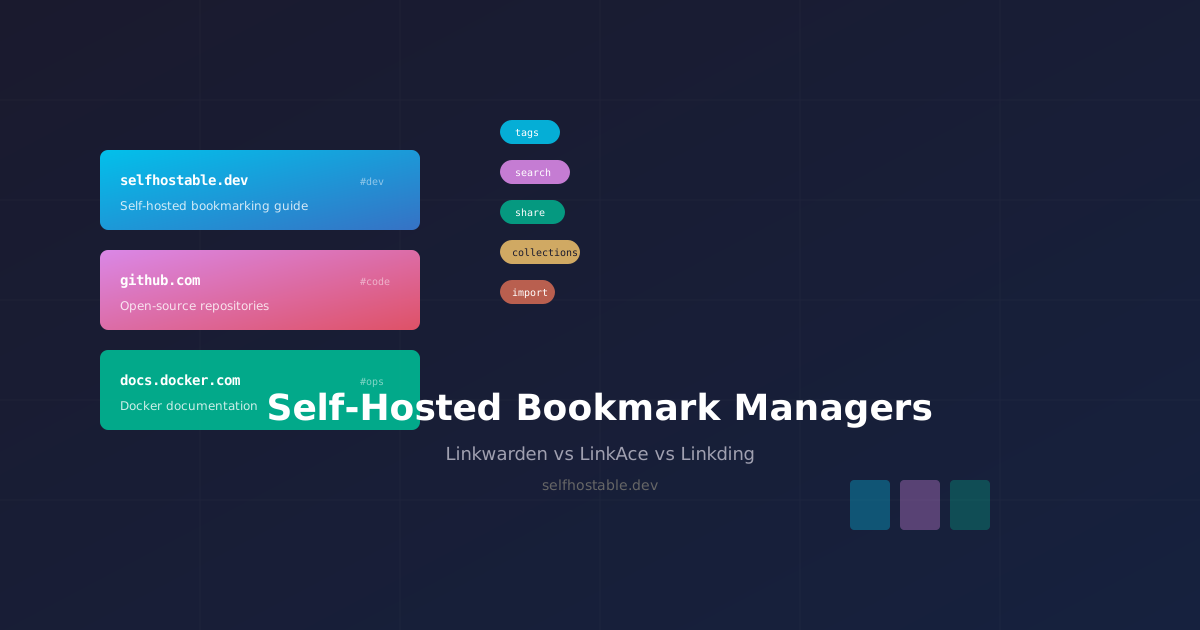
I tested Linkwarden, LinkAce, and Linkding for months to find the best self-hosted bookmark manager. One won for daily use. Another for power users. Here's the honest comparison.
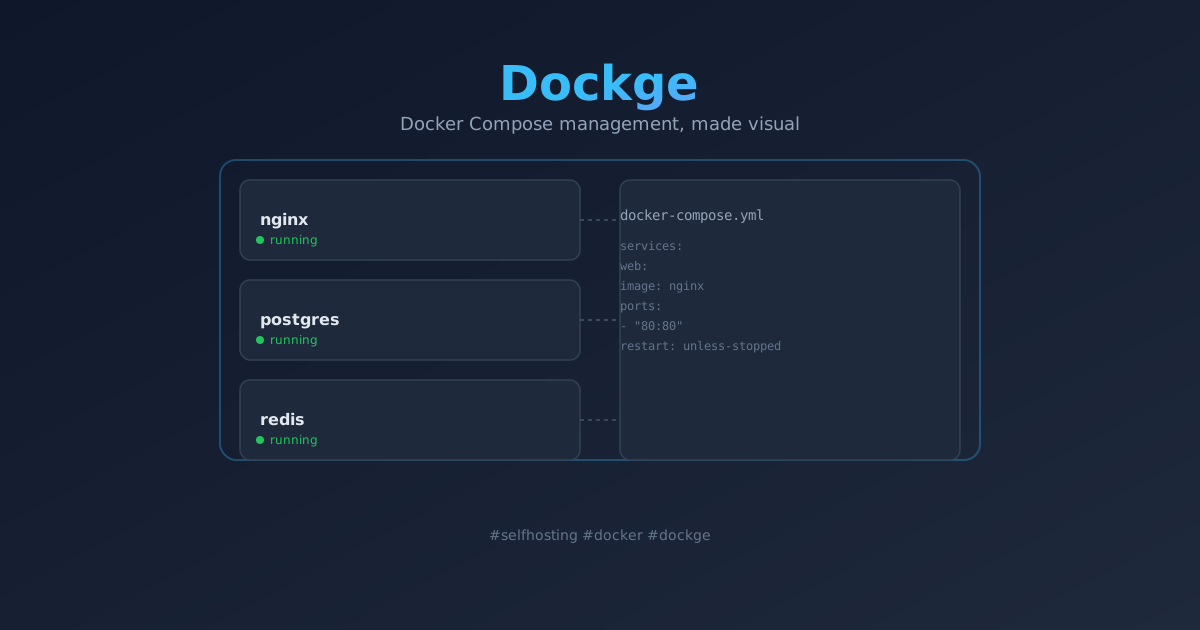
Dockge is a Docker Compose management UI from the creator of Uptime Kuma. Set it up in 2 minutes, manage stacks visually, and stop SSHing into your server to edit YAML files.
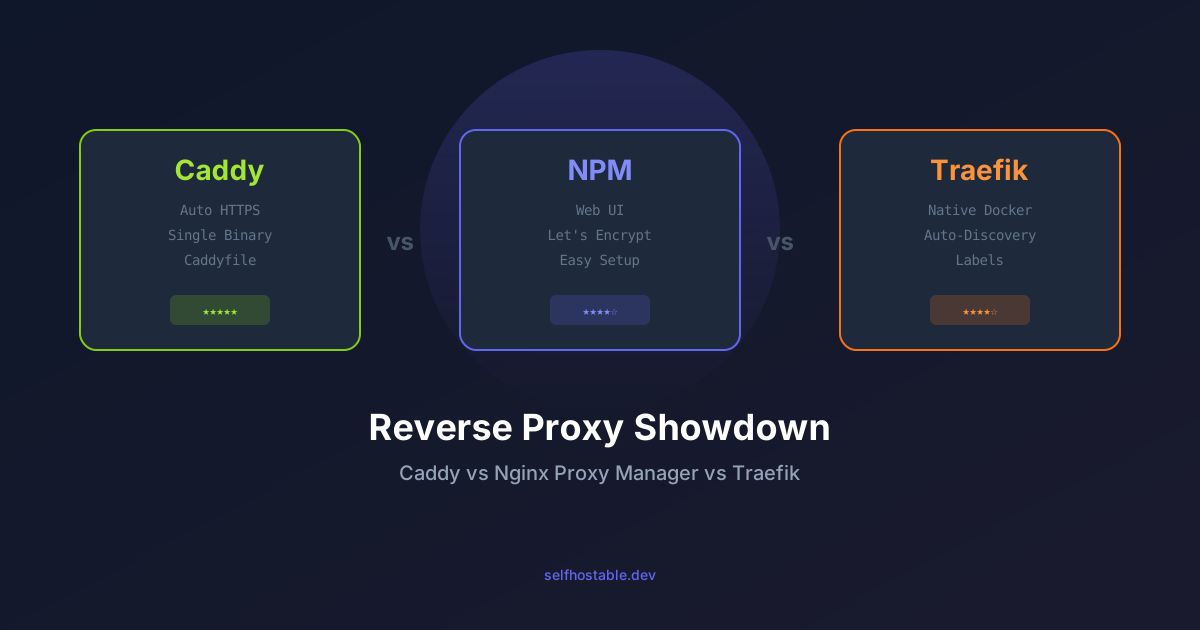
I've used all three reverse proxies extensively. Here's my honest comparison of Caddy, Nginx Proxy Manager, and Traefik — with real configs, gotchas, and a clear winner for different use cases.
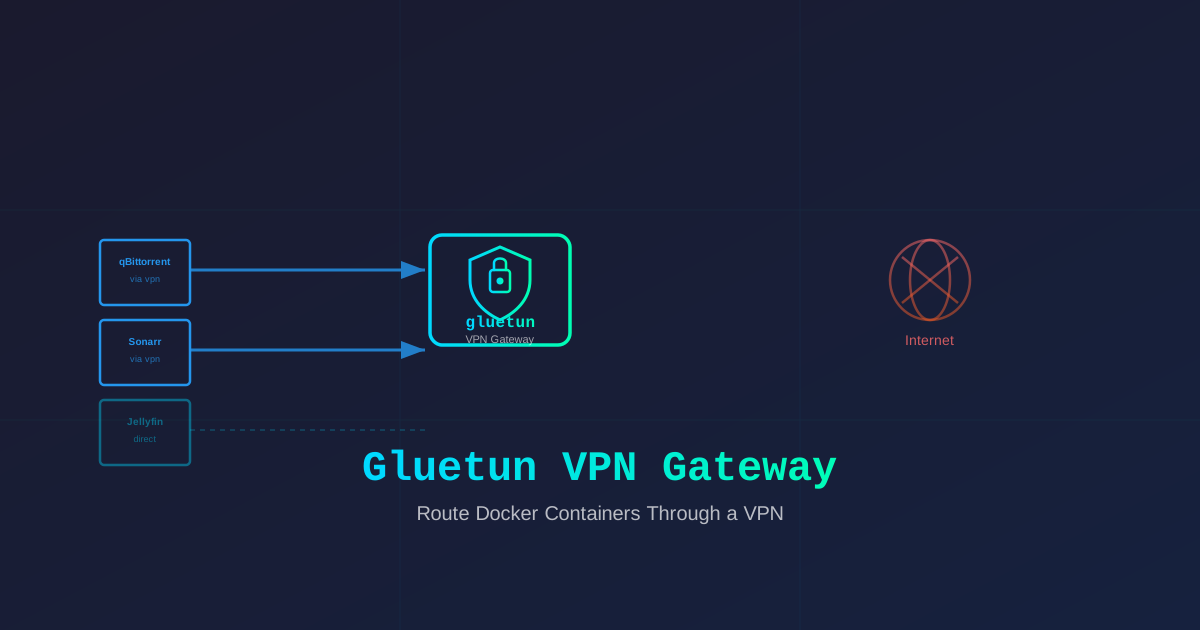
Self-host ntfy to send push notifications to your phone from any script or cron job using nothing but curl. A quick Docker setup for your homelab.
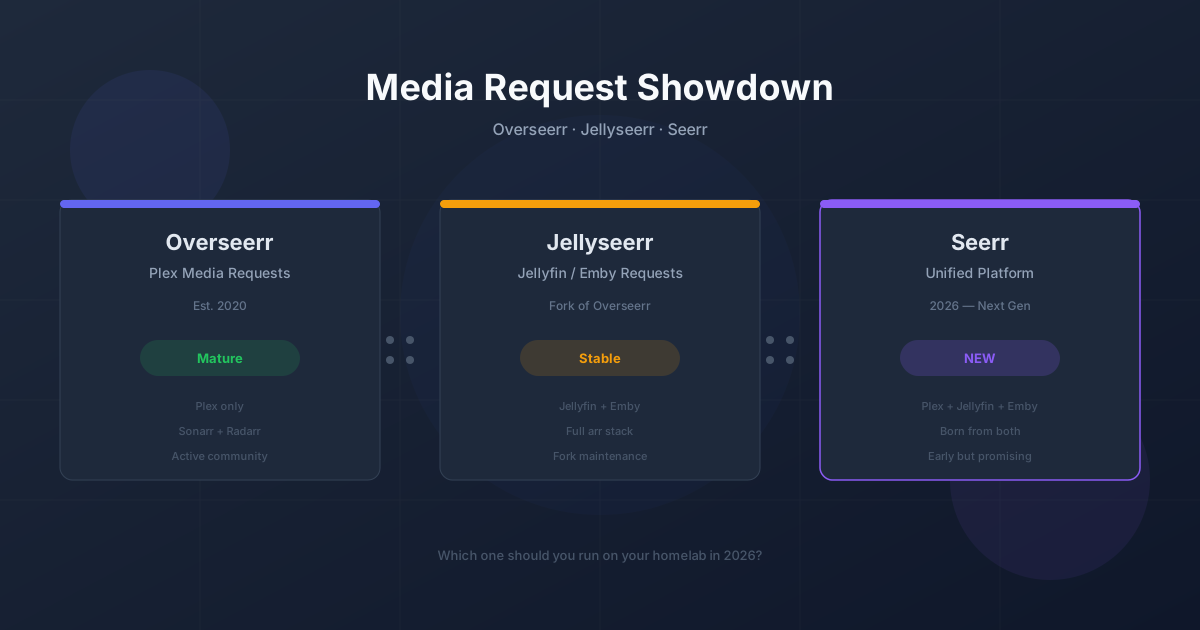
Stop letting friends text you what movie they want to watch. Three self-hosted request managers — overseerr, jellyseerr, and the new seerr — compared for Plex, Jellyfin, and Emby users.

Run your own Mastodon instance on a VPS. Complete guide covering Docker Compose setup, federation, S3 storage, moderation, and the real costs of hosting a Fediverse server in 2026.
Self-host Stirling PDF on your VPS and get merge, split, compress, OCR, and convert tools — all offline. 77K GitHub stars and one Docker command.
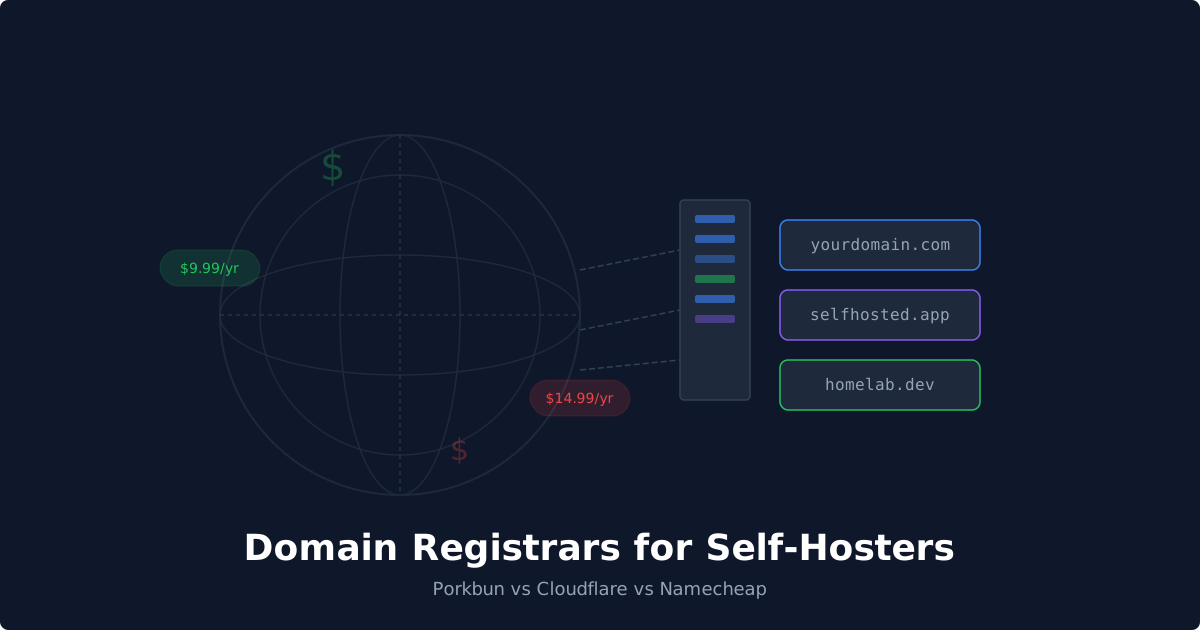
I compared Porkbun, Cloudflare, and Namecheap for domain registration. Prices, DNS management, privacy, and hidden fees — one registrar saves you real money.
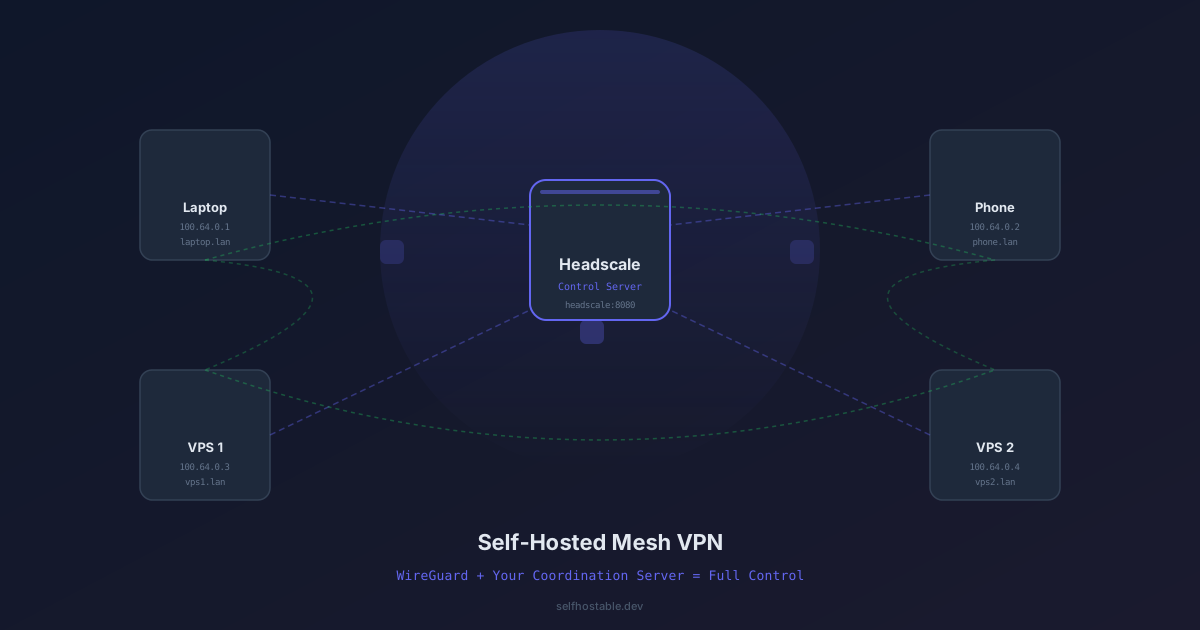
Tailscale is amazing, but it relies on their cloud coordination server. Headscale lets you own that piece too. Here's how I run my own mesh VPN.
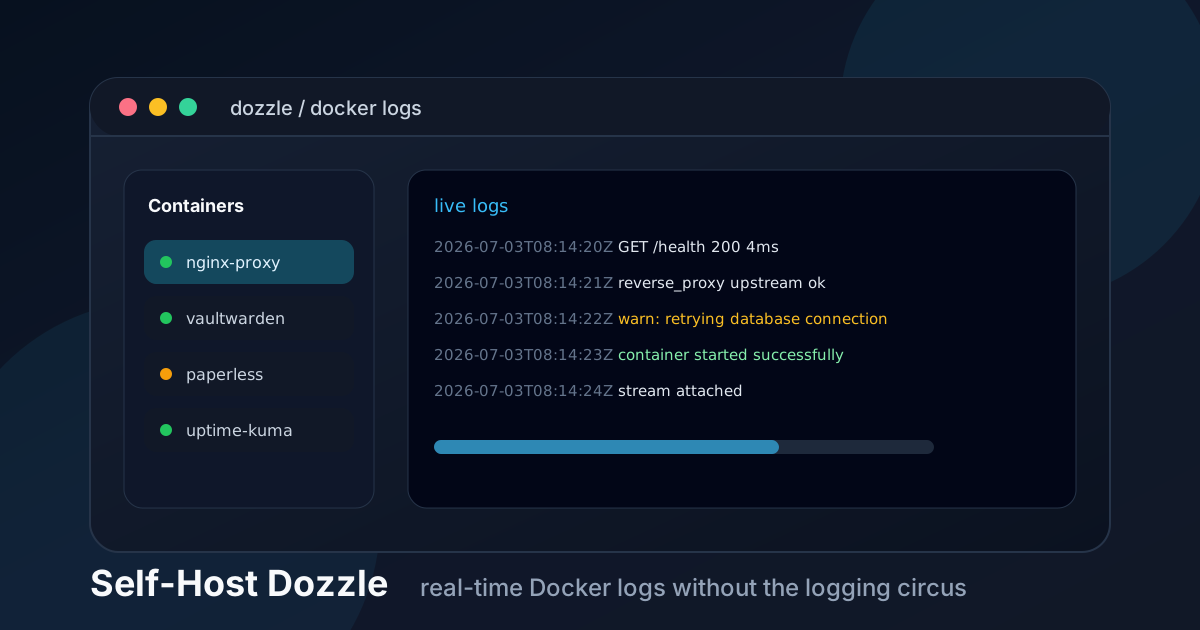
Self-host Dozzle for real-time Docker logs without running a full logging stack. A quick homelab setup with Compose, security tips, and gotchas.
Self-host NetBird for private homelab access without port forwarding. A practical Docker guide with setup, ACLs, routing, and real gotchas.
Arcane gives self-hosters a clean Docker management UI, GitOps deployments, and sane homelab workflows without dragging in enterprise baggage.
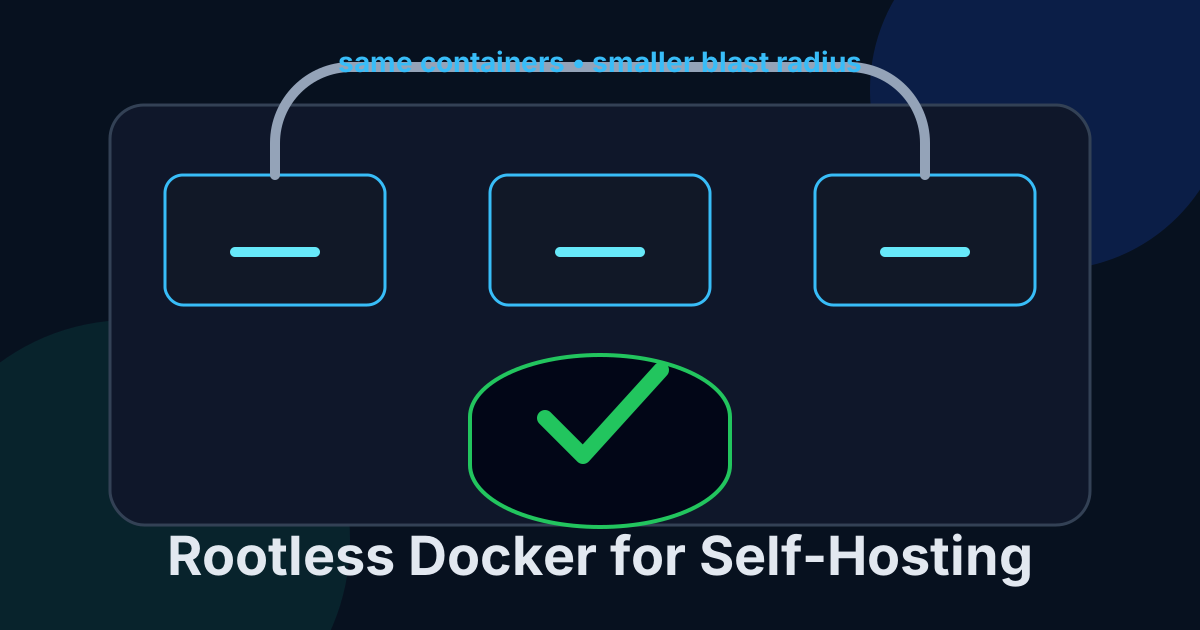
Run Docker without giving every container root-shaped teeth. A practical rootless Docker setup for self-hosters who want safer VPS and homelab apps.
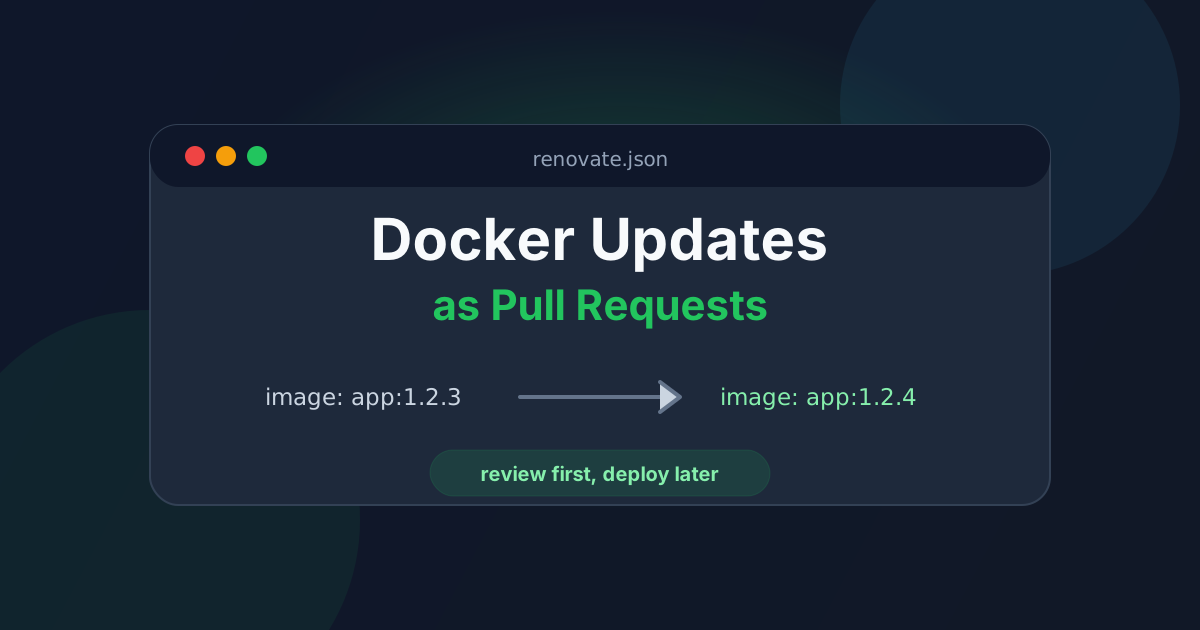
Watchtower is convenient until it updates the wrong thing at the wrong time. Here's how I use Renovate to get pull requests for Docker Compose updates instead.
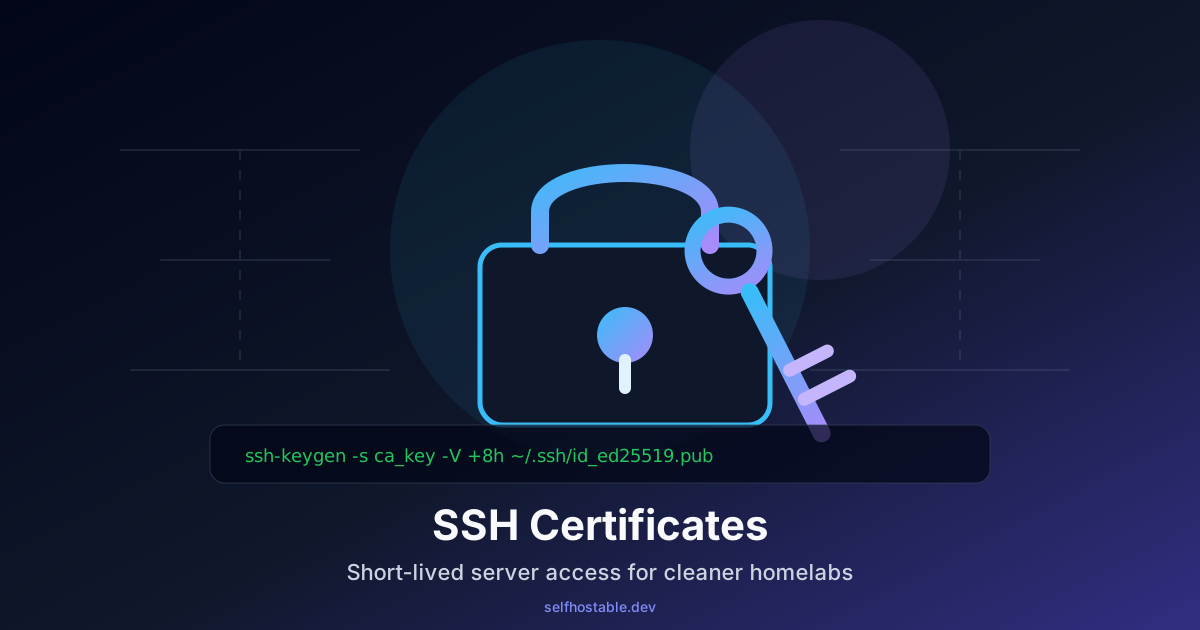
Stop copying SSH public keys to every VPS and homelab box. SSH certificates give you short-lived access, cleaner revocation, and one sane trust model for your servers.
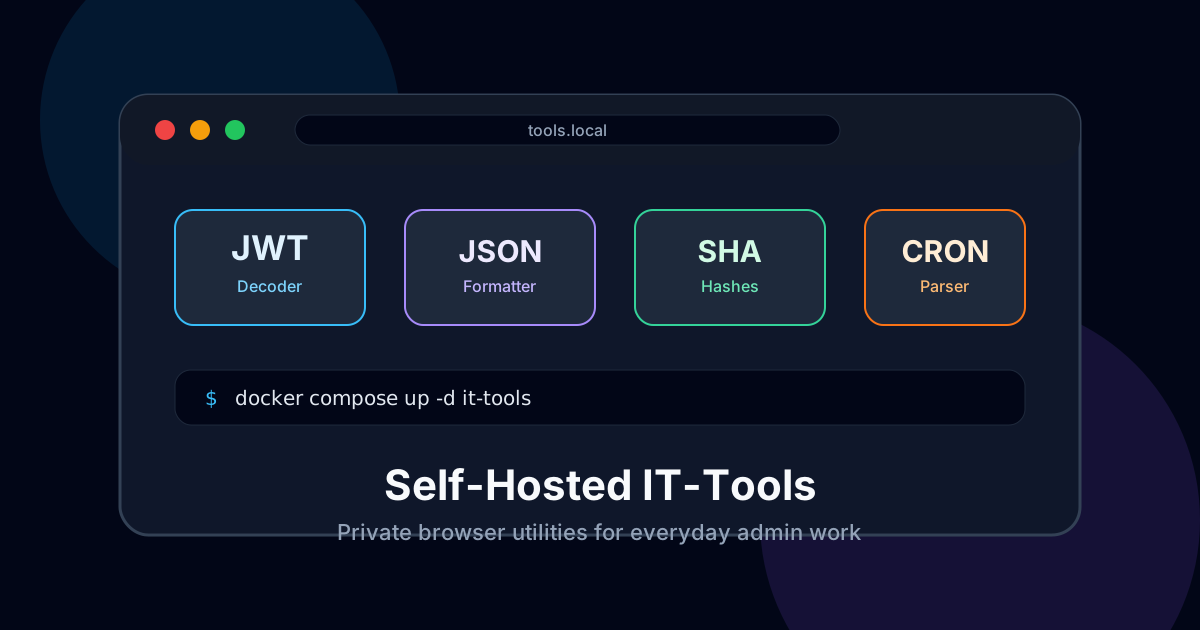
Stop pasting JWTs, hashes, and random production snippets into public converter websites. IT-Tools gives you a clean self-hosted toolbox that runs in your browser and takes five minutes to deploy.
I got tired of search pages full of ads, tracking, and AI boxes. Here's how I run SearXNG at home with Docker, sane settings, and a few security guardrails.
Password prompts are fine. VPNs are better. But for a few private web apps, Caddy mutual TLS is the tiny security layer I wish I had set up earlier.
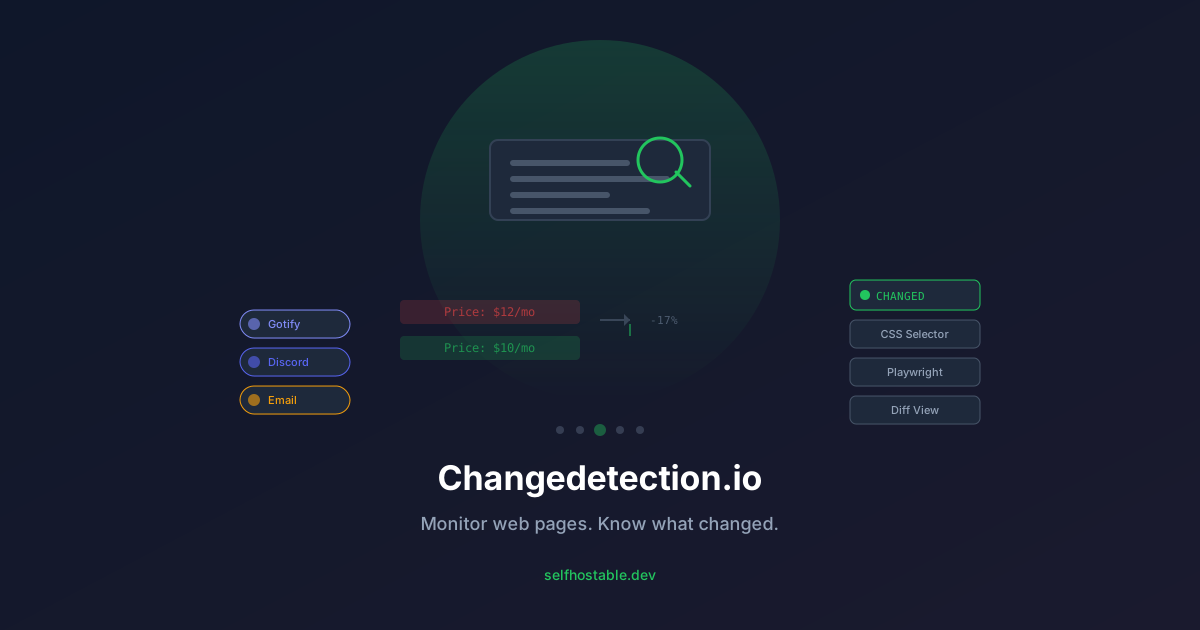
Stop manually refreshing pages to check for updates. Self-host Changedetection.io and get alerts when websites change — pricing, docs, job listings, anything.
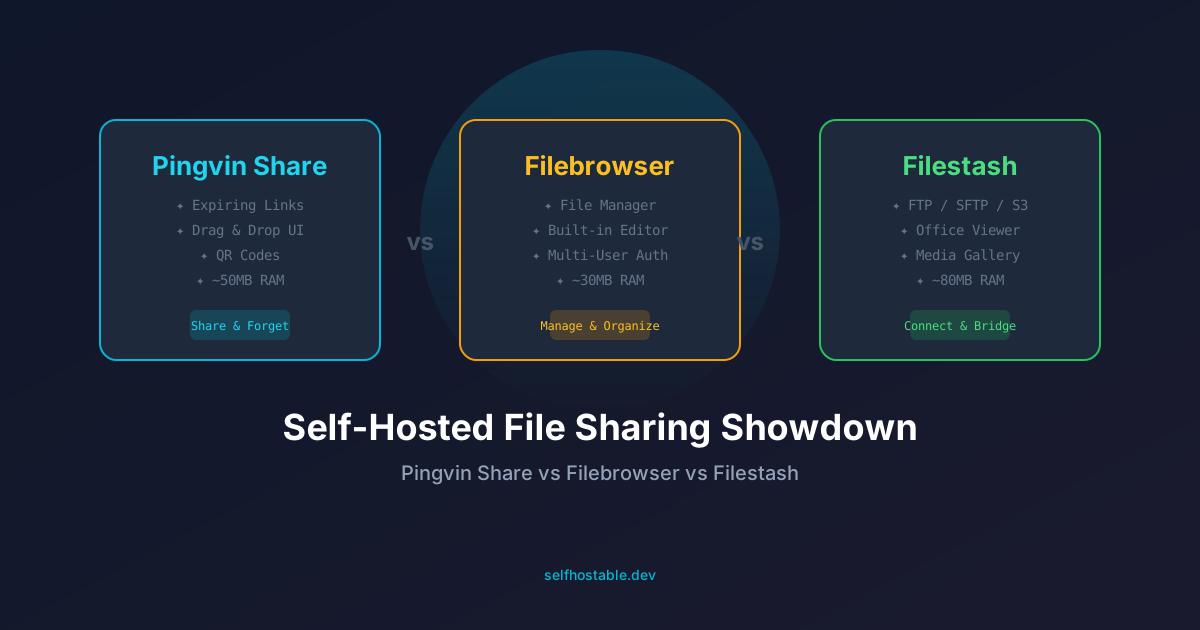
I tested three self-hosted file sharing tools for months. Pingvin Share is the new hotness, Filebrowser is the reliable workhorse, and Filestash handles the weird edge cases. Here's which one I actually use and why.
Fail2ban was good. CrowdSec is better. Here's why I switched my entire homelab to this collaborative intrusion prevention system — and how to set it up in 15 minutes.
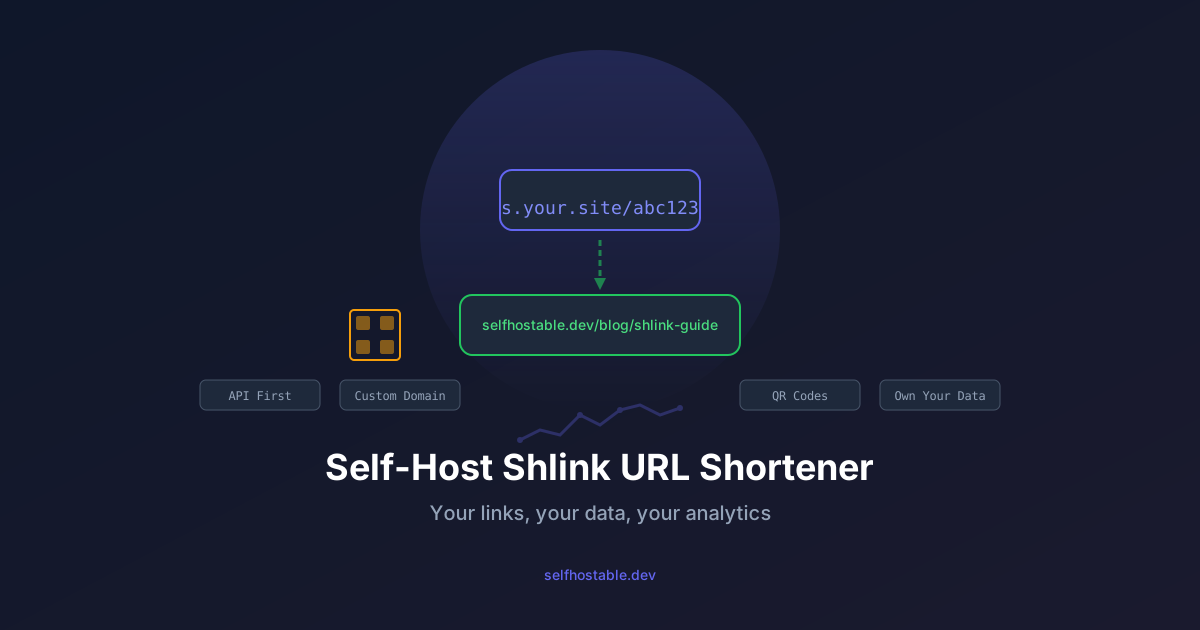
I got tired of Bitly tracking my clicks and charging for features I could run myself. Here's how I set up Shlink in Docker — a self-hosted URL shortener that's fast, private, and actually better.
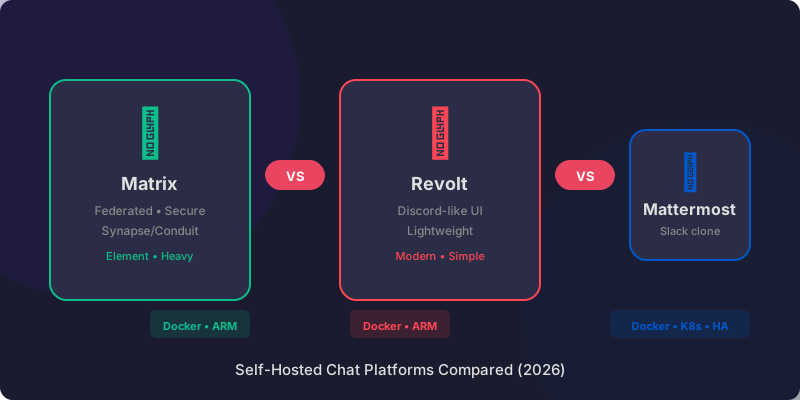
I tested Synapse, Revolt, and Mattermost to replace Discord and Slack on my homelab. Here's what I learned about running your own chat infrastructure — and which one I actually use.
Stop opening ports and messing with complex VPN configs. Tailscale gives you secure, zero-config access to every self-hosted service from anywhere. Here's how I set it up and why I won't go back.
Run powerful open-source LLMs entirely on your own hardware. No API fees, zero data leaving your server, and it's way easier to set up than you'd think.
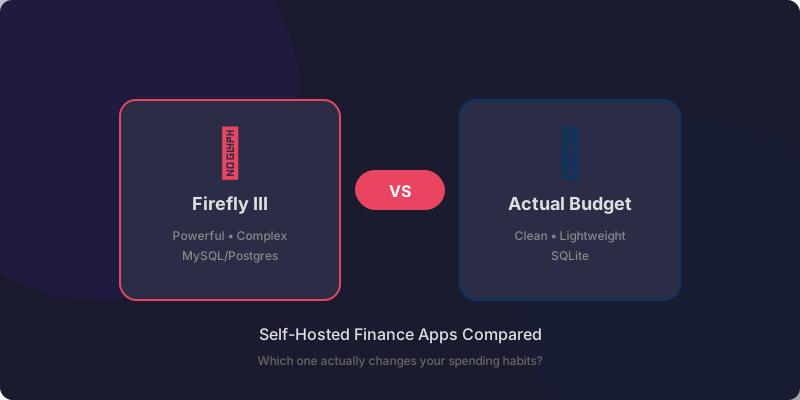
I ran both Firefly III and Actual Budget for months to track my personal finances. One is incredibly powerful. The other actually made me want to open it every day. Here's my honest comparison.
I ditched Google Home and Alexa after realizing they were recording every conversation in my living room. Here's why Home Assistant is the only smart home platform that respects your privacy — and how to run it in Docker.
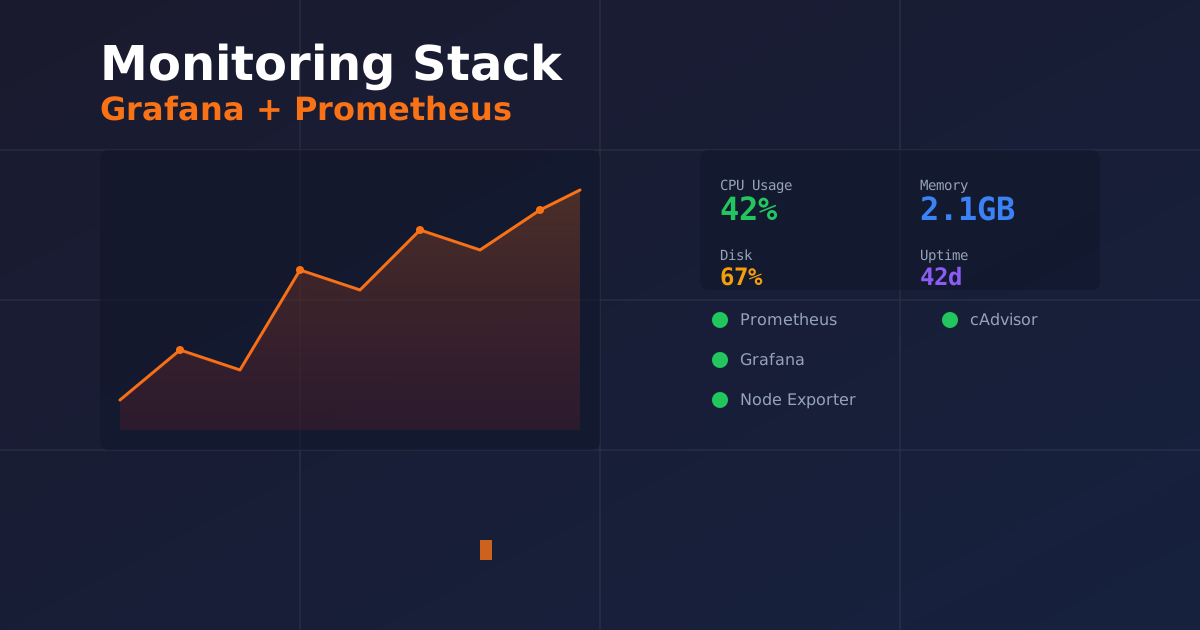
Learn how to set up a complete monitoring stack with Grafana and Prometheus on your VPS. Real experience, no BS.
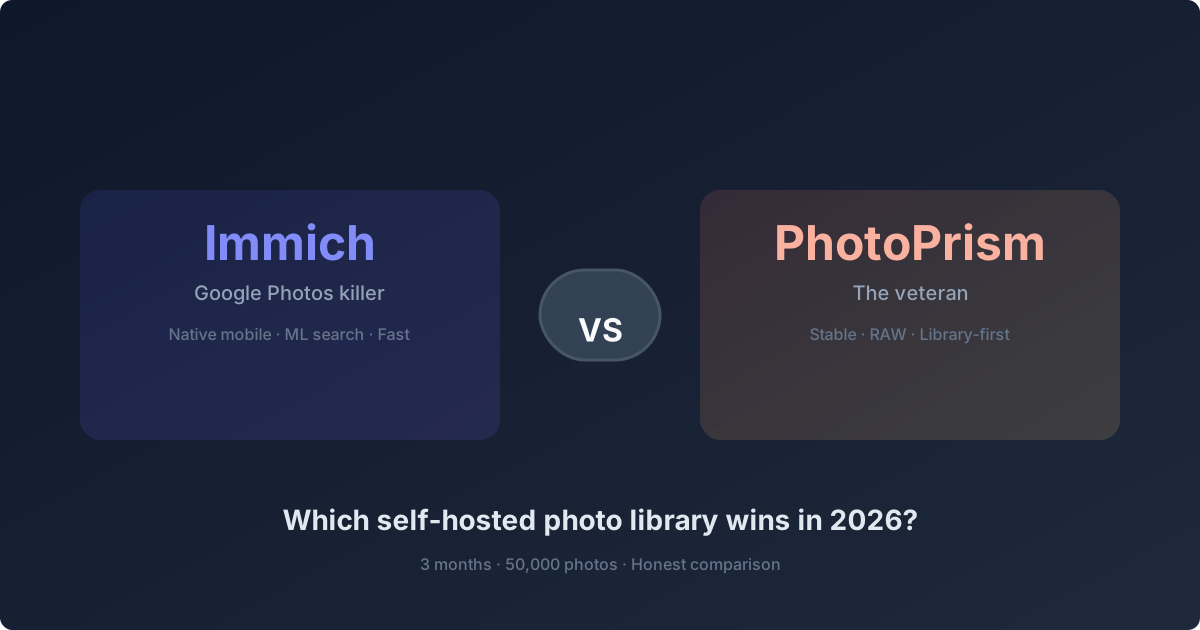
I ran both for 3 months with 50,000 photos. Here's the honest comparison — features, performance, mobile apps, and which one actually replaces Google Photos.
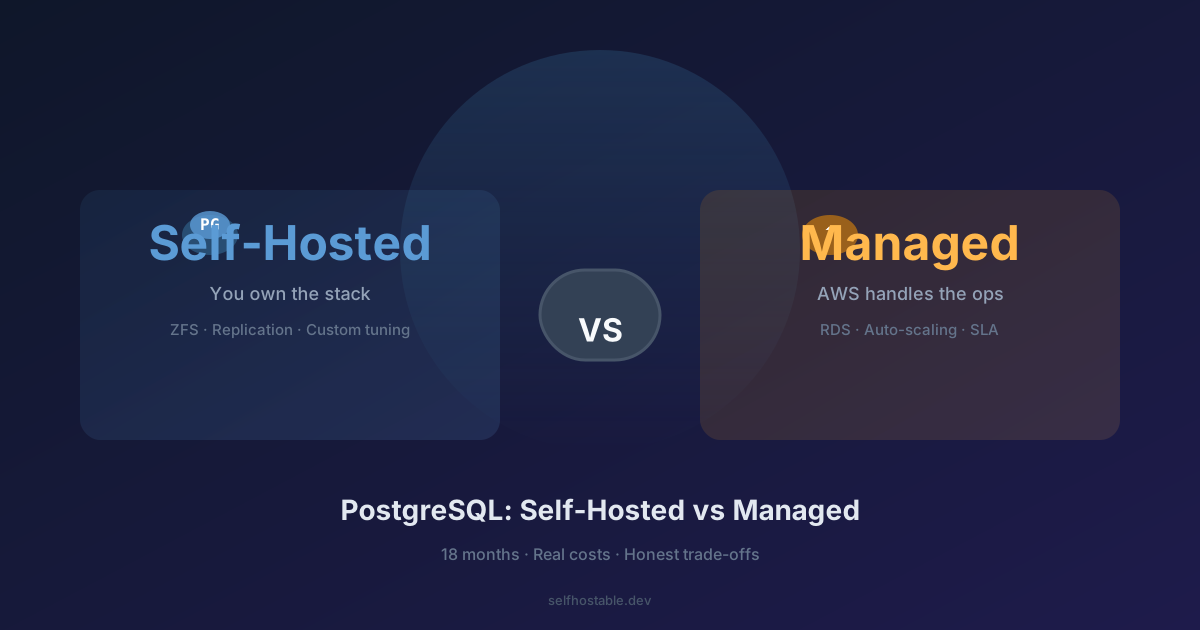
I compared self-hosted PostgreSQL to managed services over 18 months. Here's what I learned about cost, reliability, and sanity.
Stop memorizing docker commands. Portainer gives you a clean web interface to manage containers, stacks, and volumes. Set it up in 5 minutes.
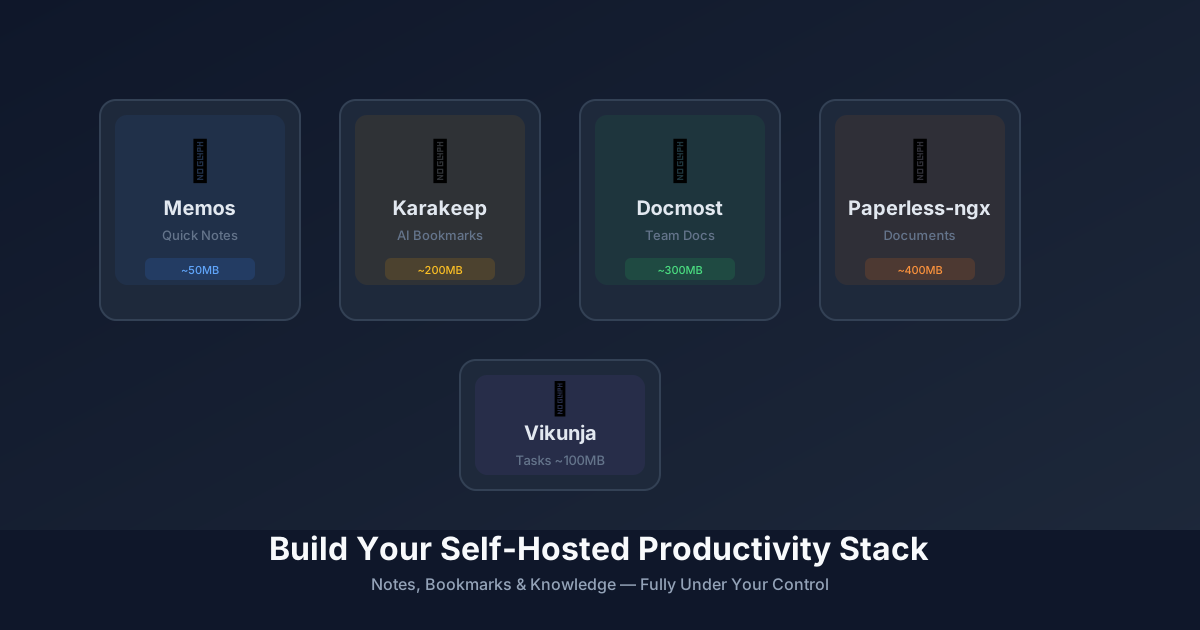
Replace Notion, Evernote, and Pocket with these 5 open-source tools. Your notes, bookmarks, and knowledge — fully under your control.
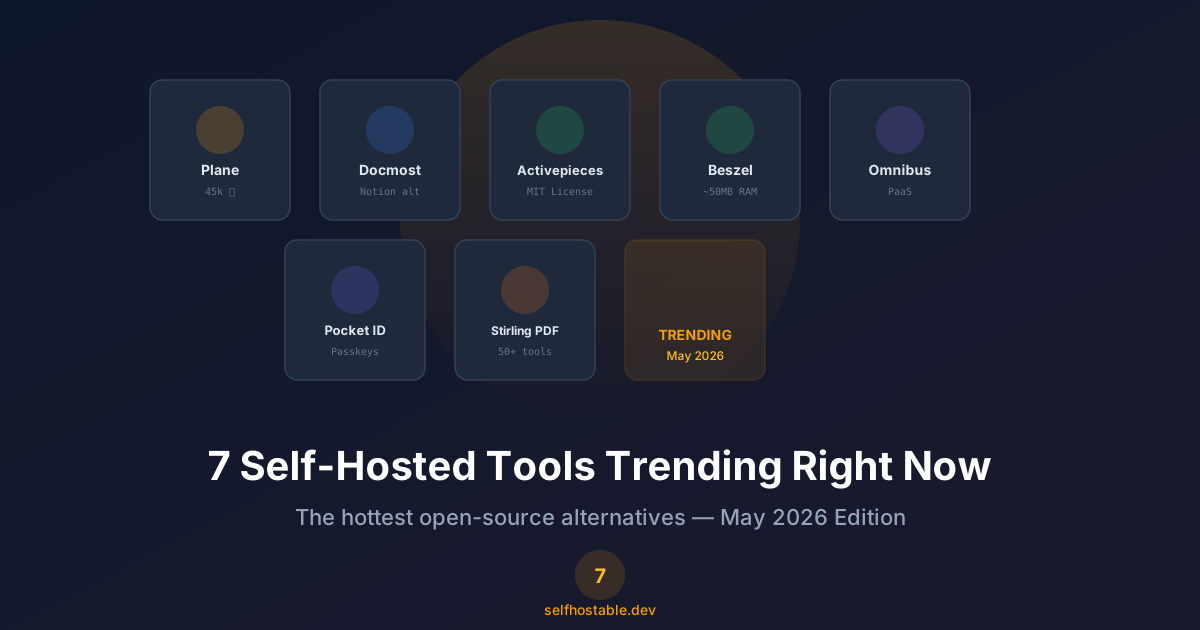
The hottest open-source alternatives gaining traction this month — from AI-powered project management to lightweight documentation tools.
Tired of configuration hell? These 7 self-hosted tools actually solve the problems the community complains about — from auto-config dashboards to AI coding assistants that keep your data local.
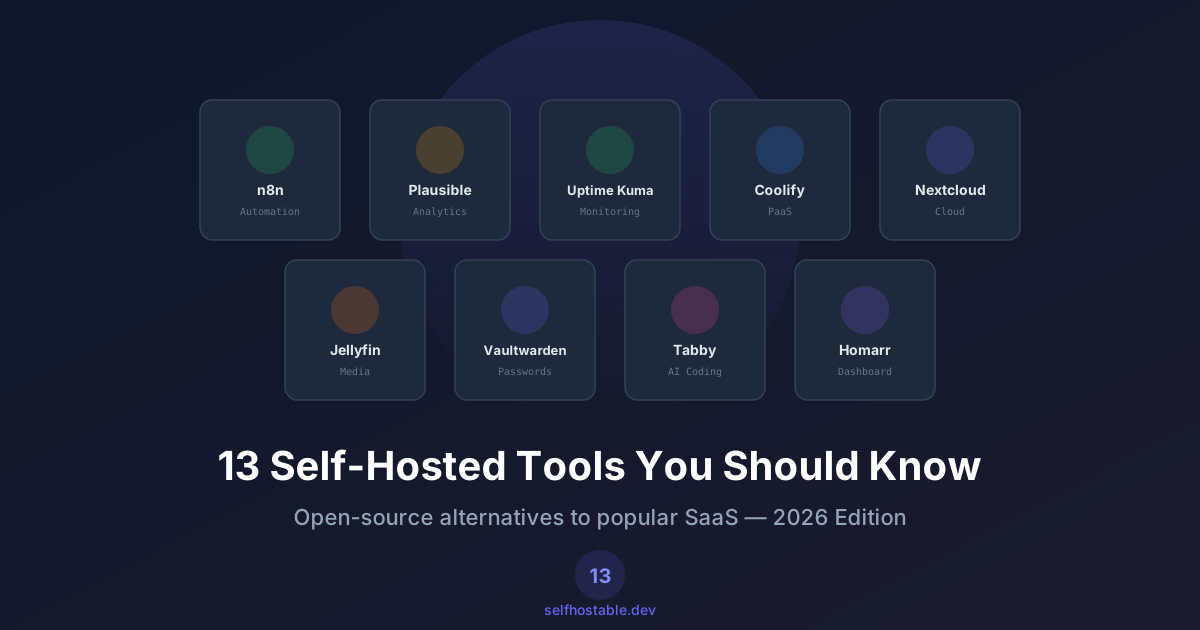
A curated list of the best open-source alternatives to popular SaaS tools. From automation to analytics, deployment to AI — take control of your infrastructure.

Prometheus gave me migraines. Netdata flooded me with useless graphs. Beszel is the monitoring solution I actually wanted.
J'ai passé des heures à configurer WireGuard, des jours à débugger des tunnels qui tombent. Puis j'ai découvert Pangolin.
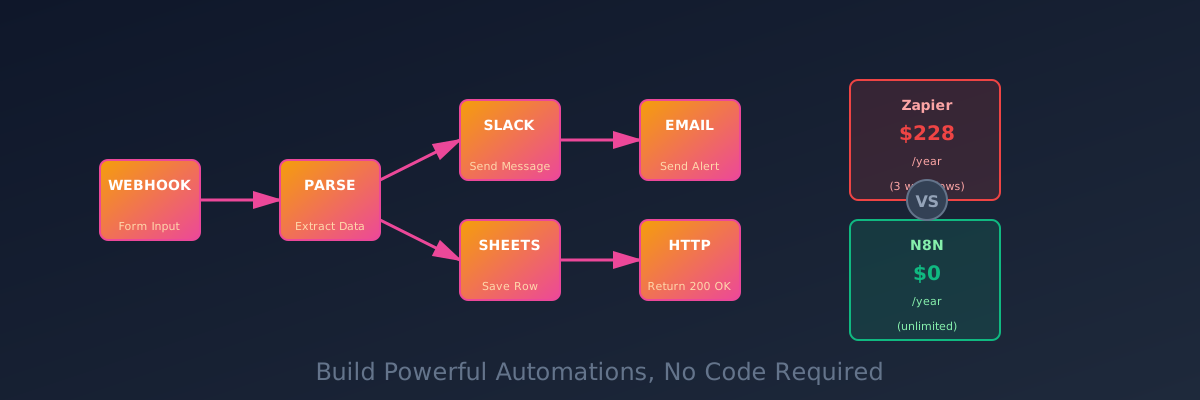
Self-host N8N and build powerful automations. Connect anything to anything. No coding required. Replace Zapier for a fraction of the cost.
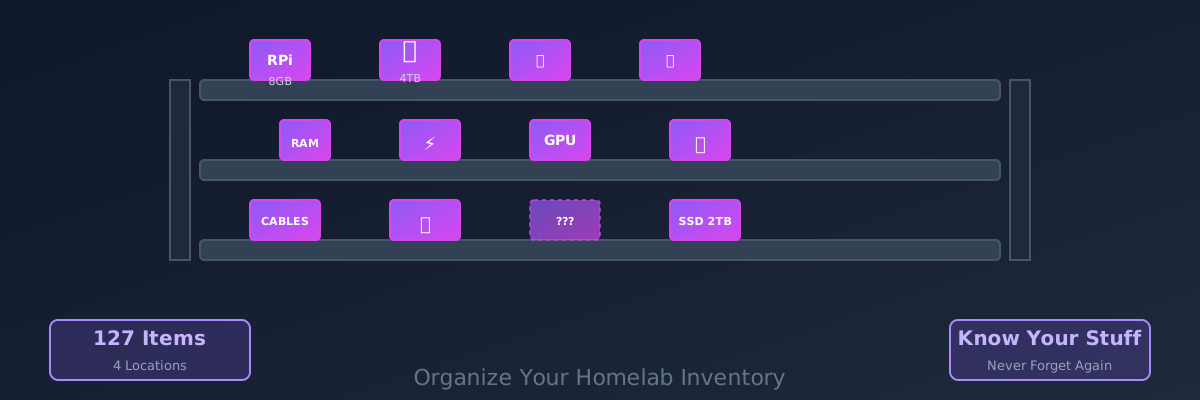
You have 47 things. You don't remember what half of them are. Homebox is a simple self-hosted inventory manager that fixes this problem.
J'ai quitté LastPass après leur fuite de données. Voici pourquoi Vaultwarden (Bitwarden RS) est le meilleur gestionnaire de mots de passe self-hosté — et comment l'installer.
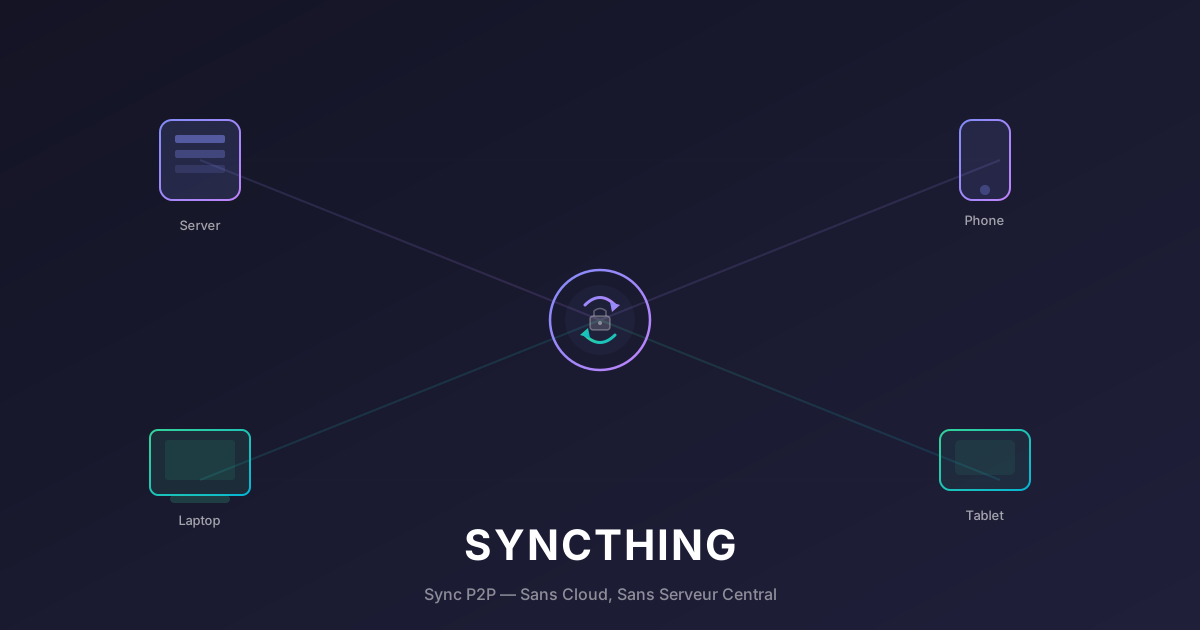
Synchronisez vos fichiers entre appareils sans serveur central, sans cloud, sans abonnement. Guide complet d'installation et configuration de Syncthing.

J'ai quitté Plex pour Jellyfin et je ne suis pas revenu. Guide complet pour auto-héberger votre media server, gérer vos bibliothèques, et streamer partout.

Get real-time push notifications from your self-hosted apps without Firebase or APNs. Set up Gotify in Docker and never miss an alert again.
Comment j'ai remplacé mes 50 onglets Pinterest par Mealie — guide complet d'installation, configuration, et meal planning hebdomadaire.

Stop scattering API keys in .env files. Set up HashiCorp Vault in Docker to centralize, rotate, and audit every secret your self-hosted apps need.
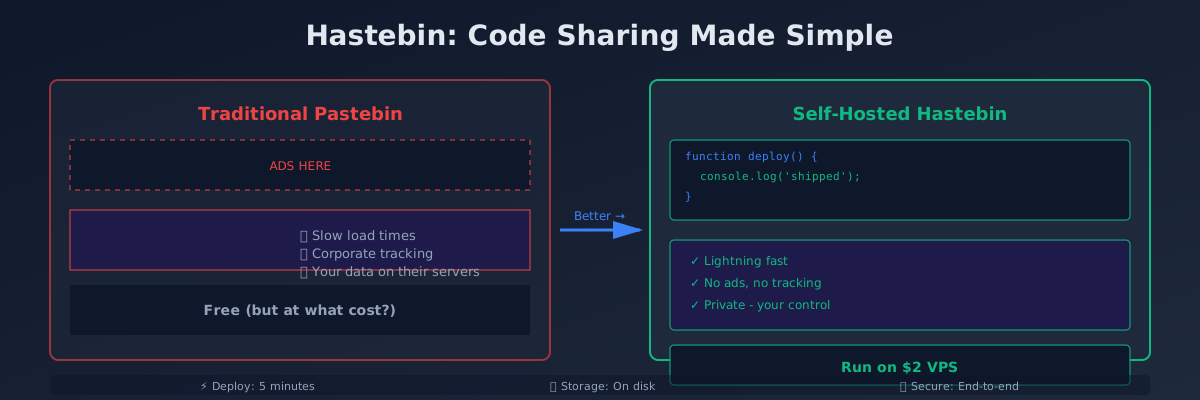
Tired of Pastebin being slow and ad-filled? Hastebin is 50 lines of code to run. Here's how to deploy it.
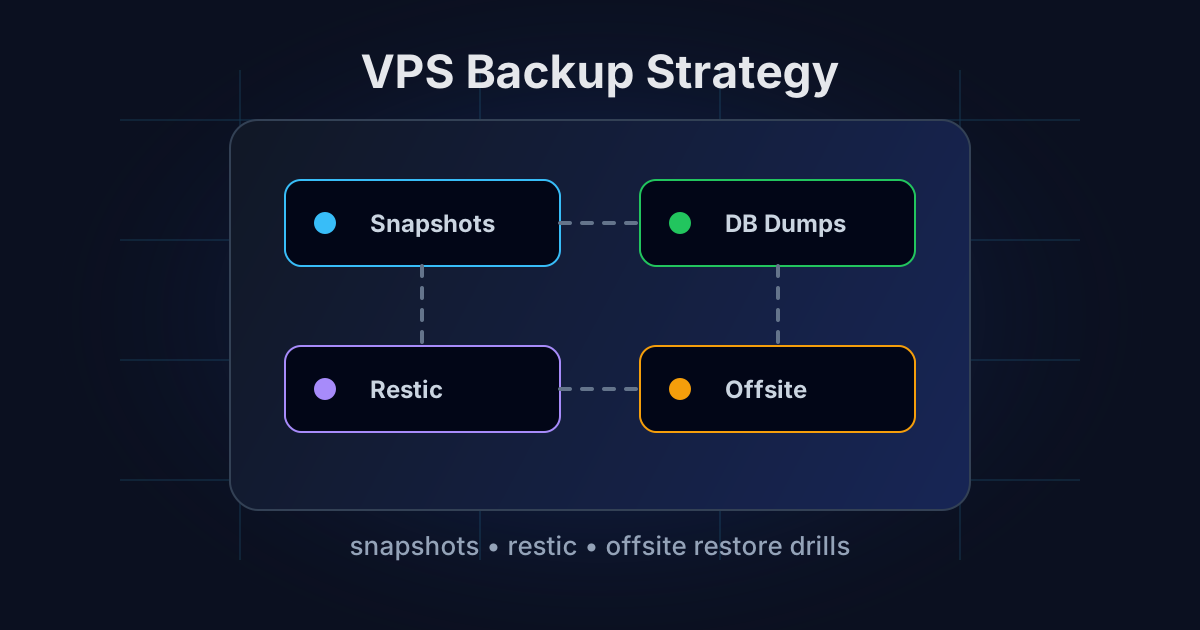
Why you need automated, encrypted, offsite backups. A practical guide to Restic and Duplicati—and why I ditched the rest.
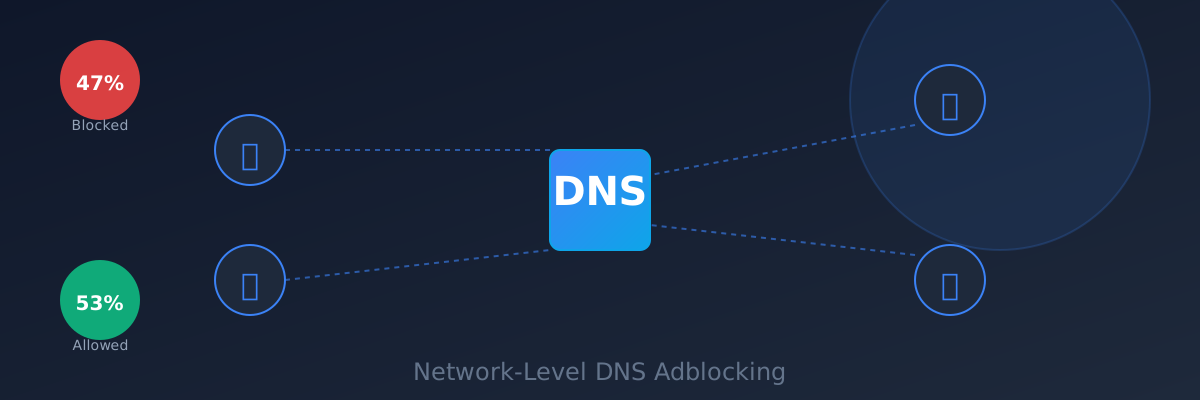
Control your entire network's DNS with AdGuard Home. Block ads everywhere—no browser extensions needed. One setup, whole house protected.
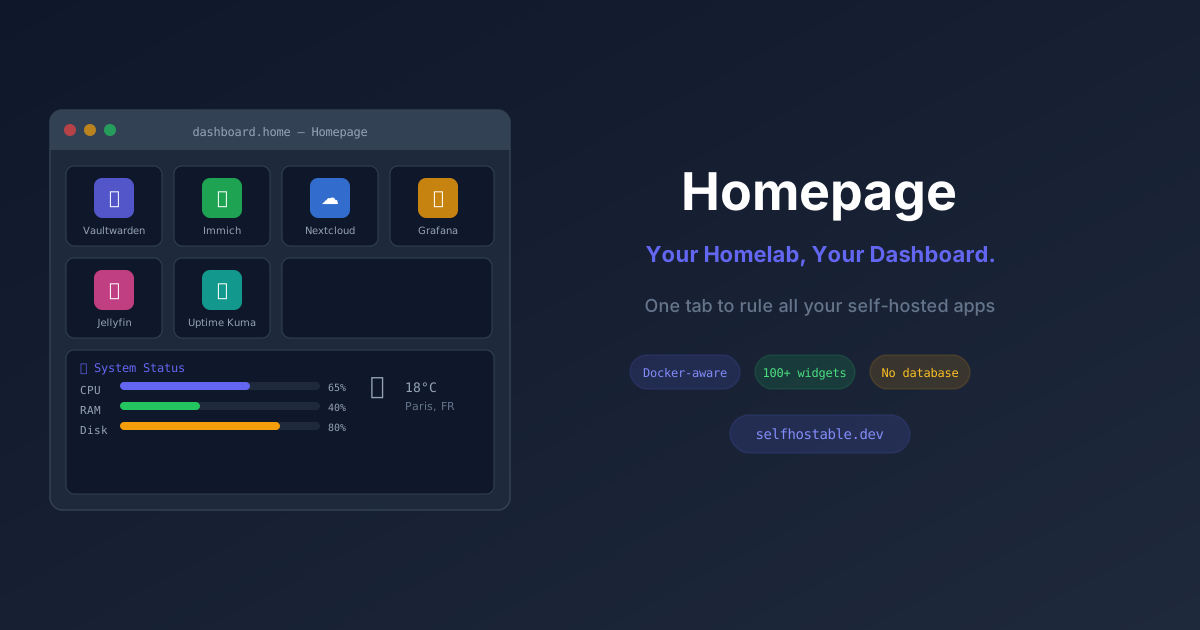
Set up Homepage dashboard to organize all your self-hosted services in one place. Docker-aware, 100+ widgets, no database required. Complete setup guide.
Set up your own WireGuard VPN server in Docker. Connect to your homelab securely from your phone, laptop, or anywhere — no paid VPN needed.
Stop managing 12 separate logins. Set up Authentik to get single sign-on across all your self-hosted apps — Nextcloud, Grafana, Gitea, and more.
Run your own Git server with Forgejo — the free, community-led Gitea fork. Full guide to setup, migration from GitHub, CI/CD, and why it's worth it.
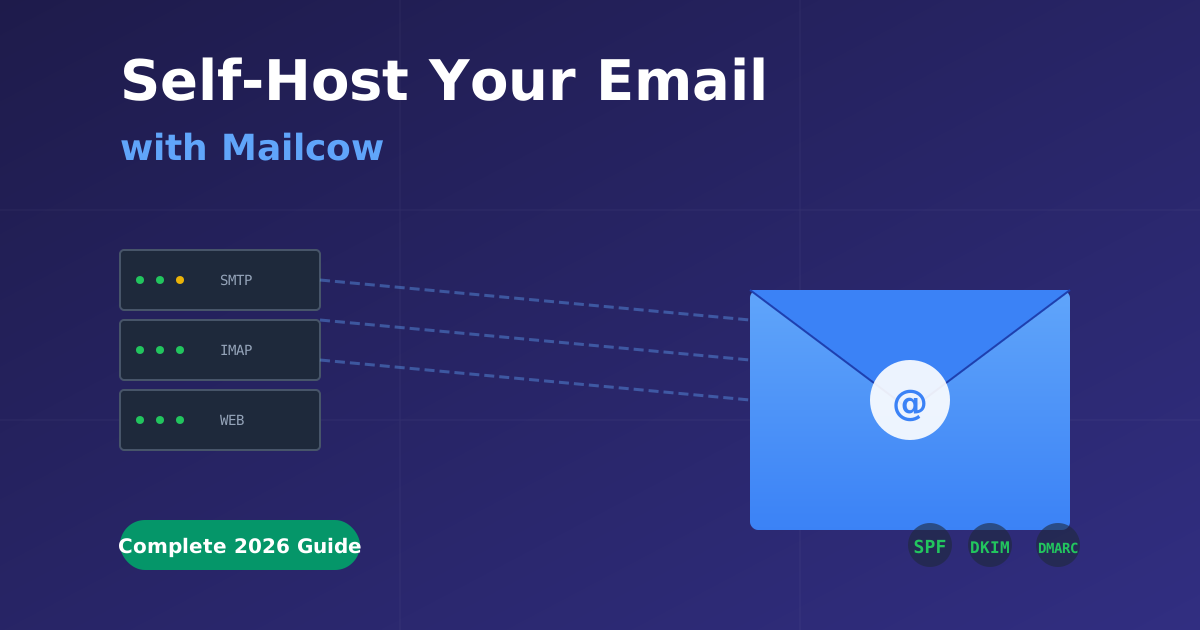
Email is hard to self-host. Mailcow makes it bearable. Here's how I run my own mail server (and why you might want to).
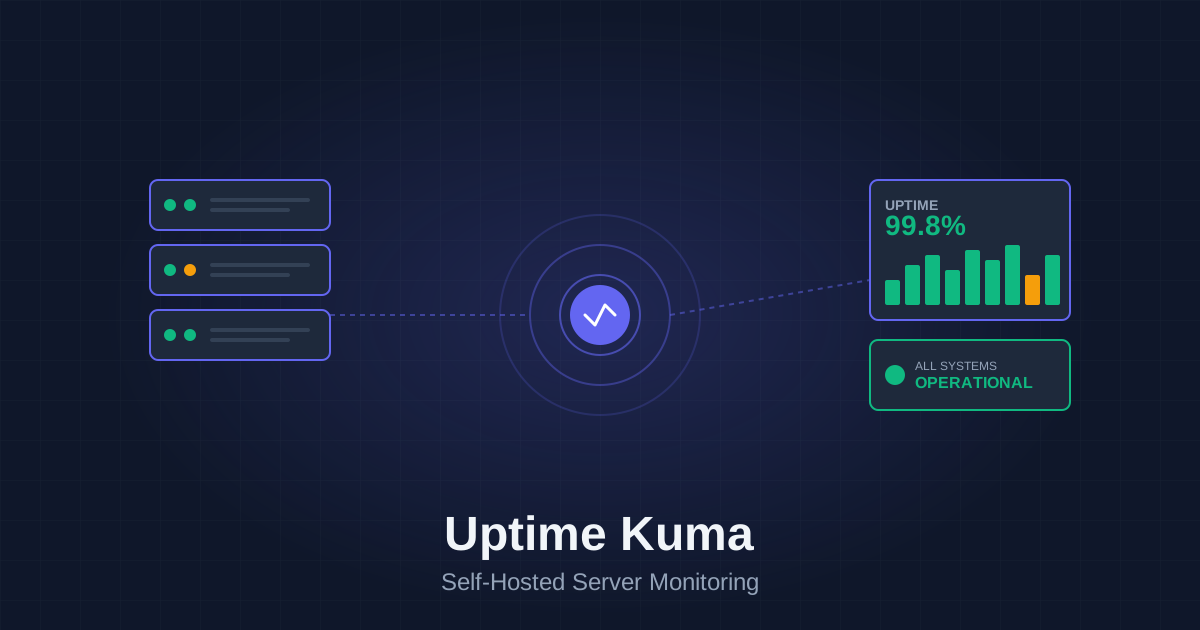
Learn how to self-host Uptime Kuma, a beautiful open-source monitoring tool for your servers and websites. Complete Docker setup guide with best practices.
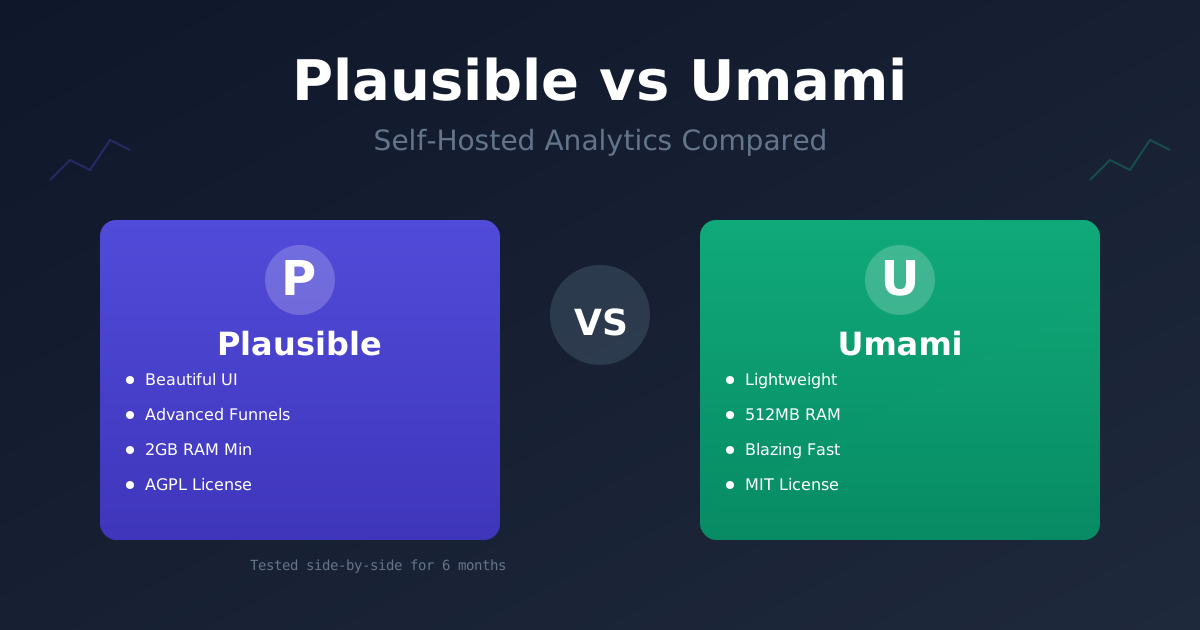
I tested both Plausible and Umami for 6 months. Here's which one I kept (and why).

Learn how to self-host Paperless-ngx, a powerful open-source document management system. Complete guide with Docker setup, OCR, and automation.
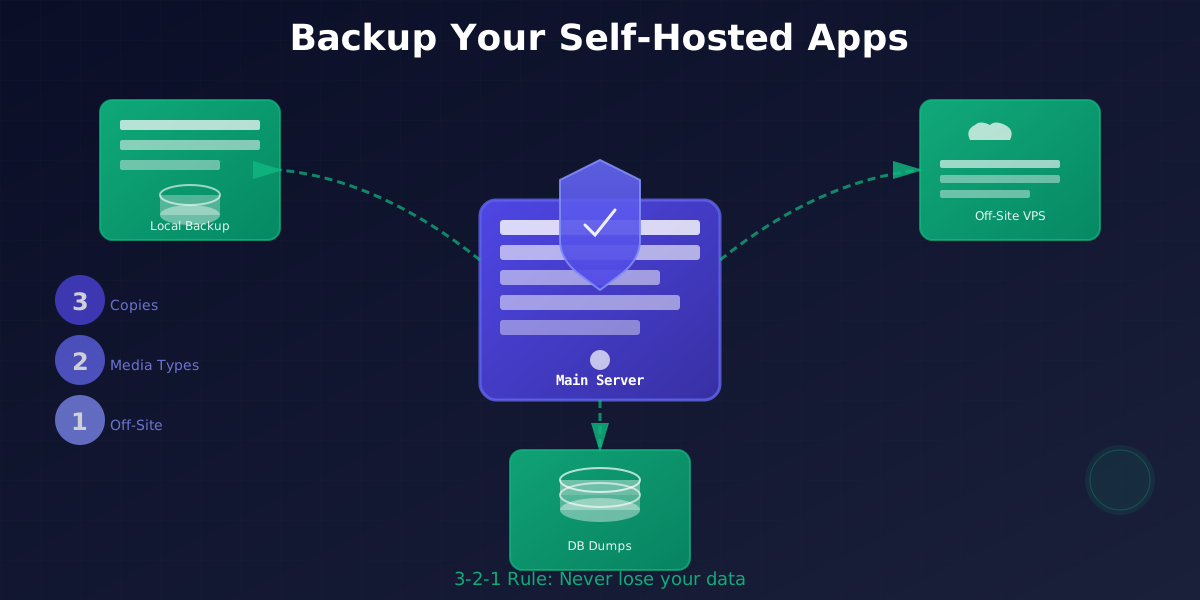
Learn how to properly backup your self-hosted applications with Docker volumes, databases, and off-site strategies. Protect your data from loss.
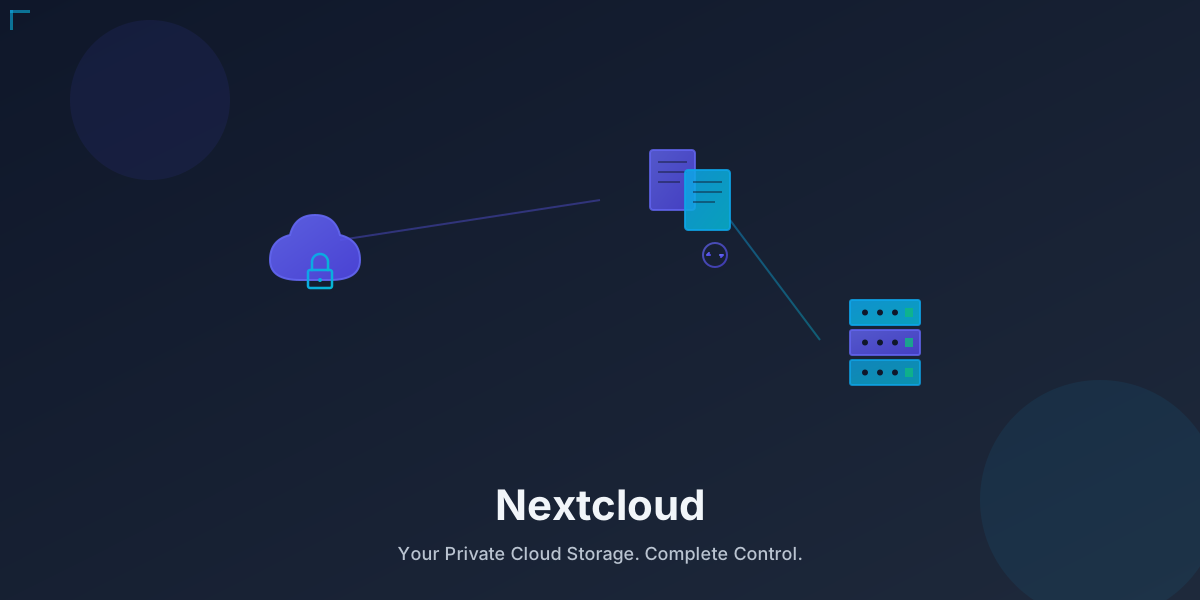
Complete guide to self-hosting Nextcloud with Docker. Build your own cloud storage, calendar, and file sync — no subscription required.
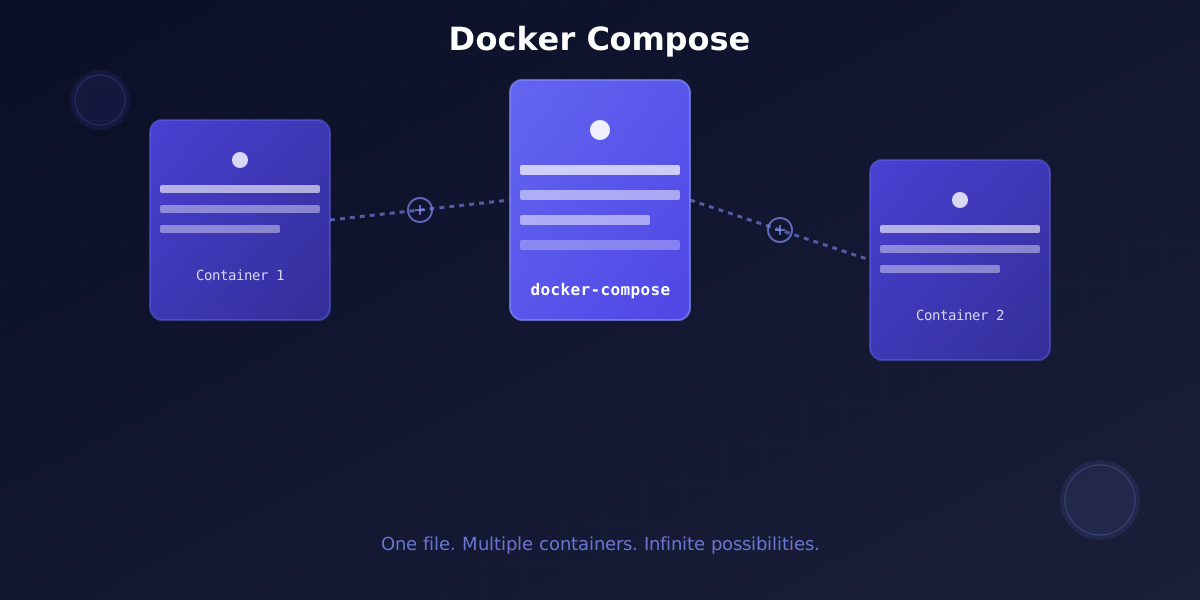
Learn Docker Compose from scratch. Master multi-container apps, volumes, networks, and deploy your own services with a single command.

Set up Nginx Proxy Manager in Docker and manage SSL certificates, domains, and reverse proxies without touching a config file.
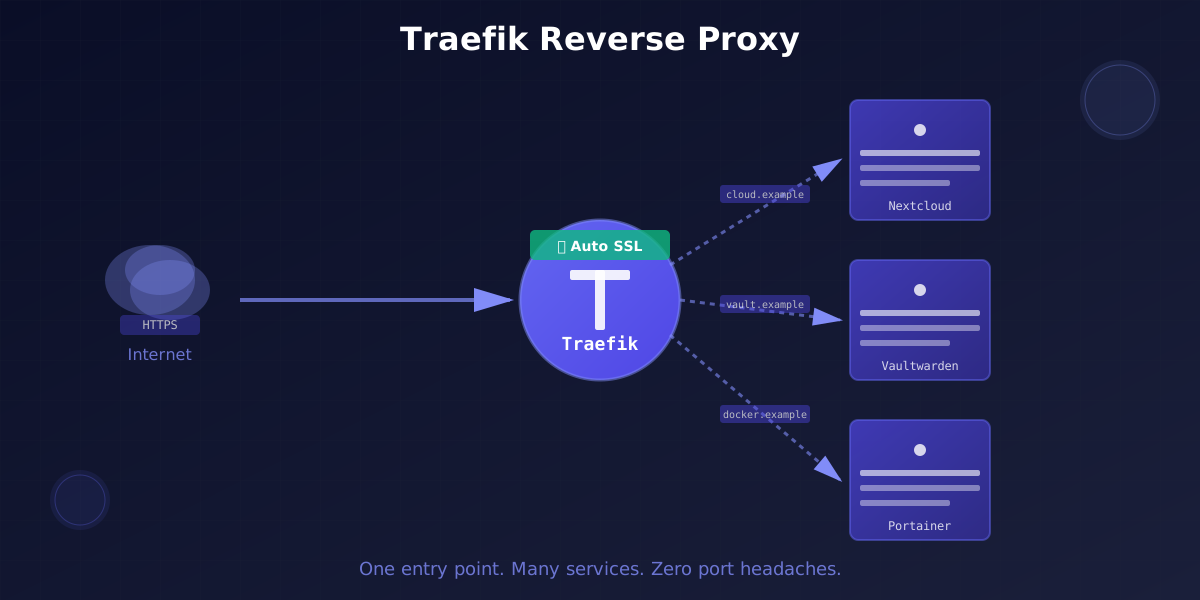
Learn how to configure Traefik reverse proxy for Docker containers with automatic SSL certificates, dashboard access, and production-ready security settings.
Self-host your photo library with Immich. Complete guide to setting up a Google Photos alternative with Docker, mobile apps, and unlimited storage.
Complete guide to self-hosting Vaultwarden, a lightweight Bitwarden server. Set up your own password manager with Docker in under 30 minutes.
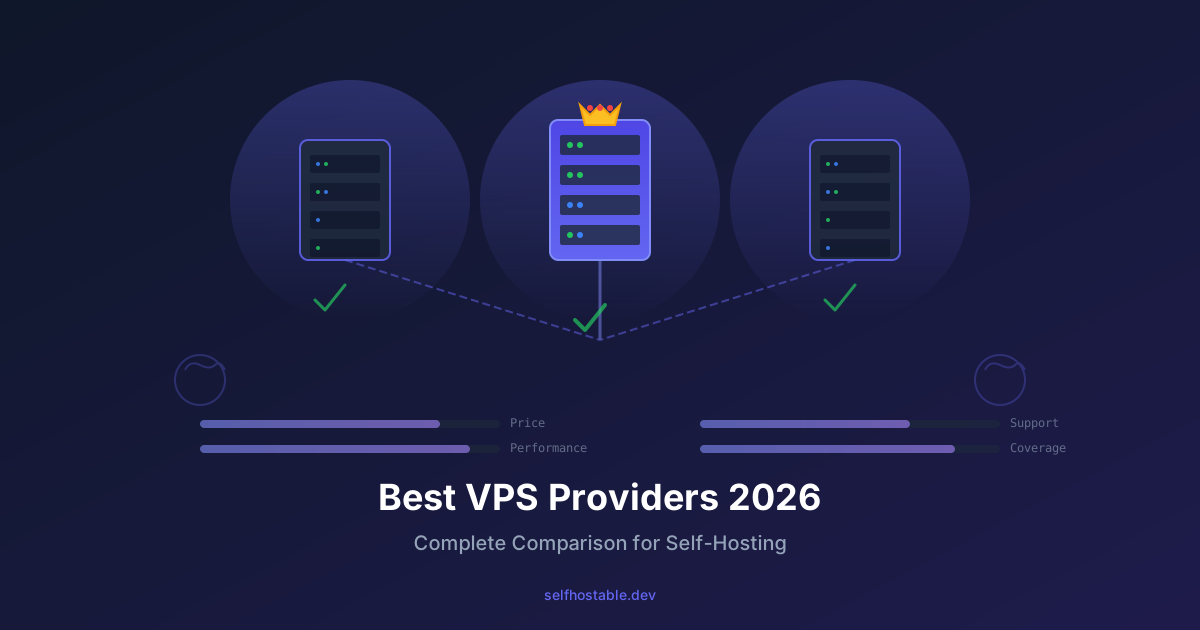
I ran workloads on Hetzner, Vultr, DigitalOcean, Linode, OVH, Contabo and more. Here's which VPS actually delivers for self-hosters — with real pricing and benchmarks.
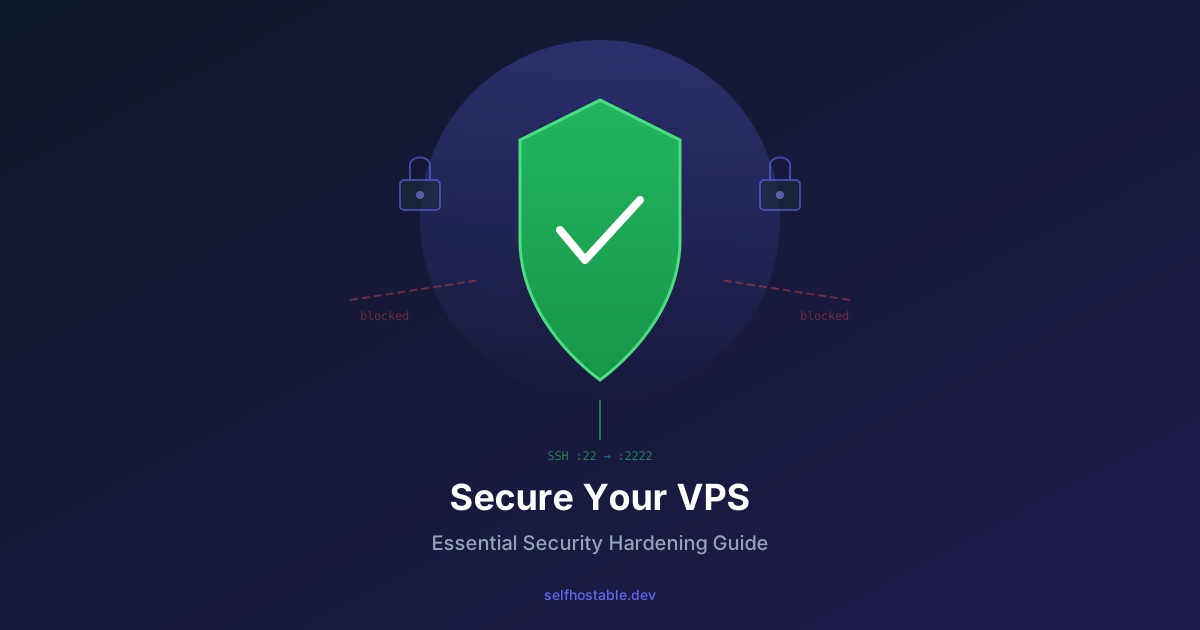
SSH keys, UFW firewall, Fail2ban, auto-updates — the exact steps I run on every new VPS before deploying anything. Copy-paste ready.
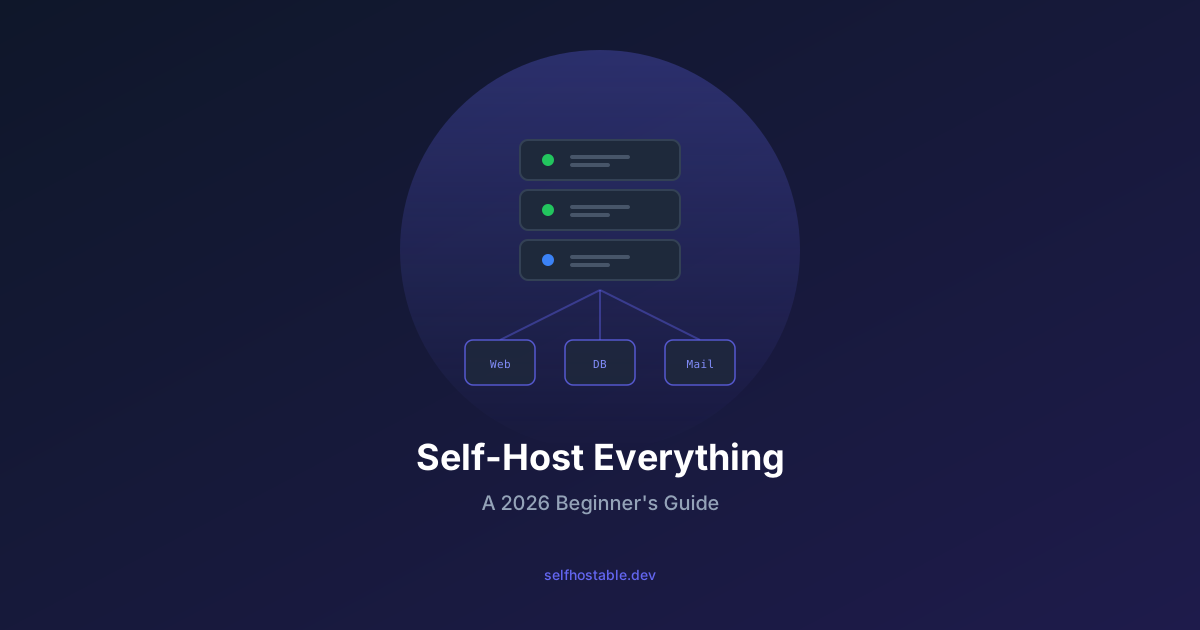
No Linux experience needed. I'll walk you through buying a VPS, installing Docker, setting up SSL, and deploying your first app — all in under an hour.
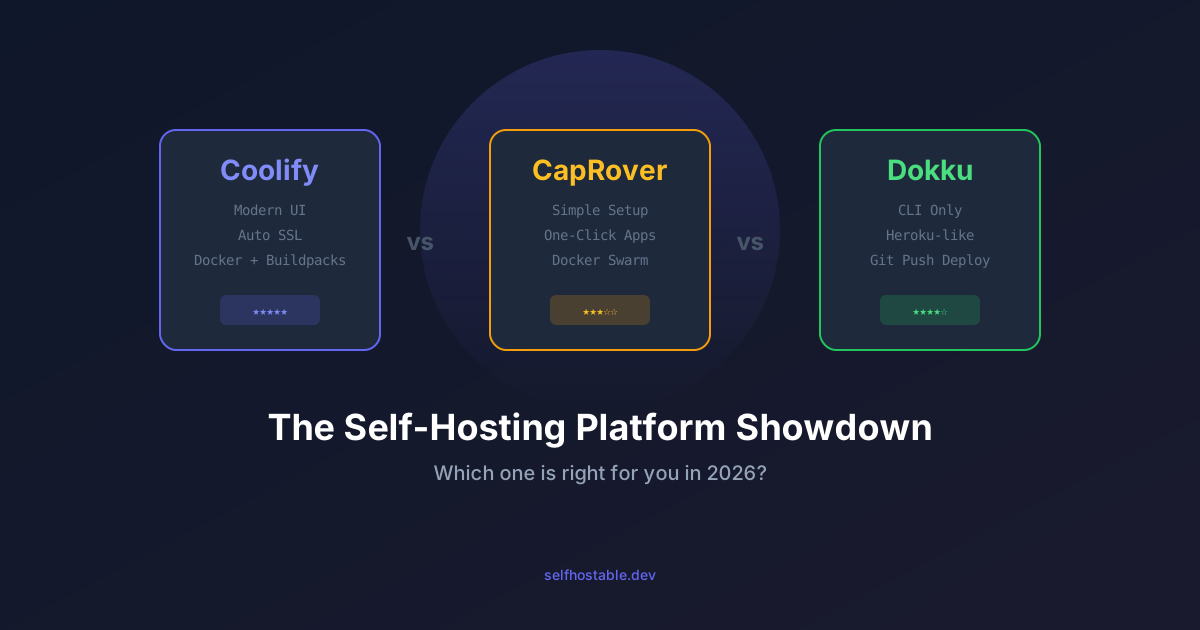
I deployed the same app on all three. Coolify is polished, CapRover is flexible, Dokku is minimal. Here's my honest pick after using each for months.
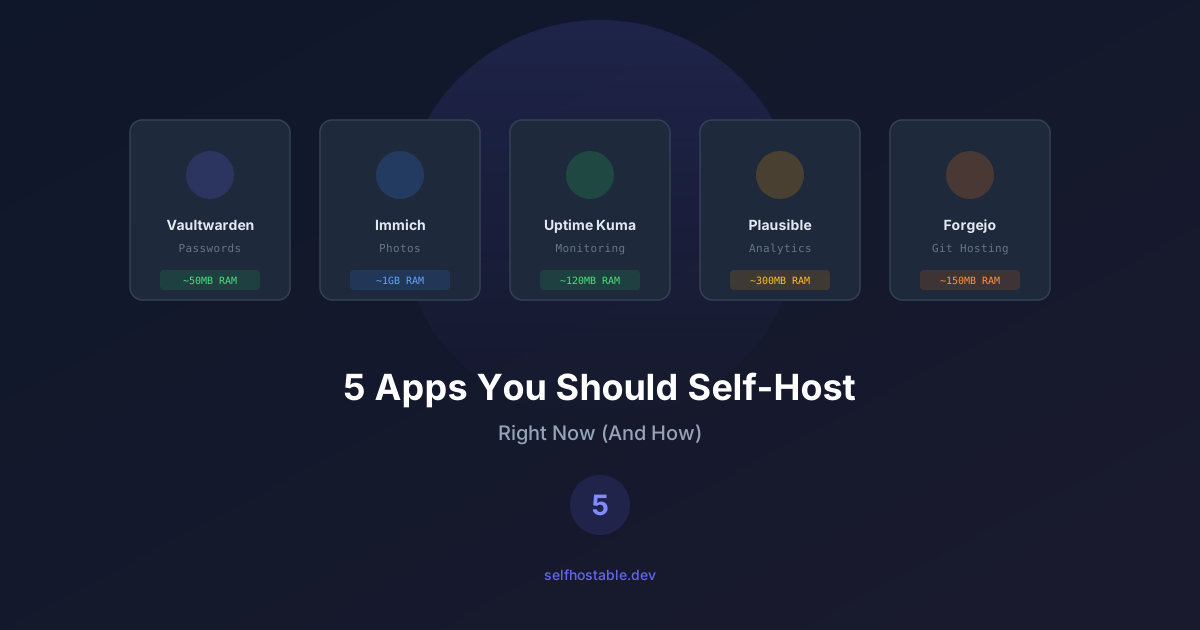
These 5 self-hosted apps replaced Google Photos, Bitwarden, and more for me. Each one took under 10 minutes to deploy. Here's exactly how.